 06 February 2026
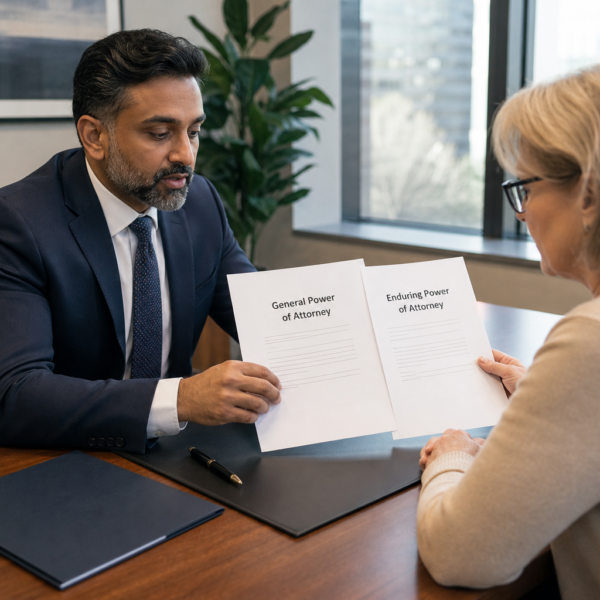
Ready to put down roots in Canada—and make the Greater Toronto Area your long-term home? The permanent residency application process can feel complex, but it doesn’t have to be confusing. This complete guide breaks the journey into clear, manageable steps, tailored to how applicants in and around Toronto actually move from eligibility to approval. You’ll find plain-English explanations, step-by-step checklists, and local tips from a Toronto immigration team that supports newcomers every day at 23 Westmore Dr. Unit #218A.
Quick Answer
The permanent residency application process works best when you confirm eligibility early, gather complete documents, and submit clean, consistent forms through the IRCC portal. Near 23 Westmore Dr. Unit #218A in Toronto, our immigration team can organize affidavits, certified copies, and a ready-to-submit PR package—so you move from profile to COPR with confidence.
At a Glance
- What permanent residency (PR) is and how the permanent residency application process works in 2026
- Step-by-step roadmap: eligibility → documents → submission → biometrics/medical → decision → landing
- Express Entry, OINP/PNP, Family Sponsorship, and other pathways explained and compared
- Toronto-specific tips: where to book biometrics, how to time medicals, and how to avoid avoidable delays
- Actionable checklists, examples, and tools that newcomers actually use
Local Tips
- Tip 1: For biometrics, book early at a Service Canada location. From Etobicoke, routes via Highway 27 or Finch Ave W can be steadier than the 401 at rush hour.
- Tip 2: Winter weather slows travel to panel physicians. Plan morning appointments and buffer time during snow or freezing rain.
- Tip 3: Need certified true copies, affidavits, or statutory declarations? Coordinate notarization alongside translations so your file is complete before you upload.
IMPORTANT: These tips reflect our Toronto workflows and the realities PR applicants face across the GTA.
Contents
- What Is the Permanent Residency Application Process?
- Why PR Matters
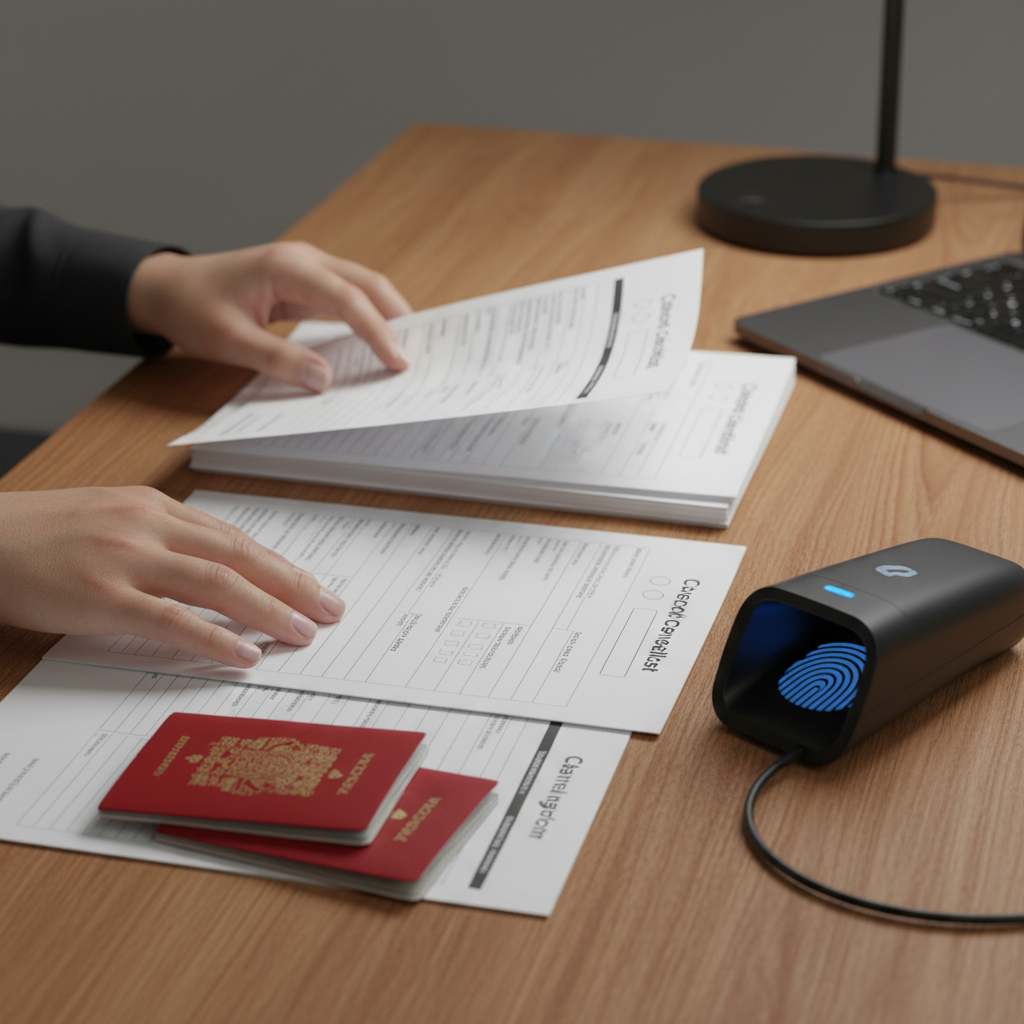
- How the Permanent Residency Application Process Works (Step-by-Step)
- Types of PR Pathways (Compared)
- Best Practices to Get Approved Faster
- Tools and Resources
- Case Studies and Real-World Examples
- FAQ
- Conclusion and Next Steps
- Related Articles
Quick Summary
- Goal: Choose the right program (EE, OINP/PNP, Sponsorship, others), assemble precise evidence, and submit a consistent, well-documented application.
- Keys to speed: Correct NOC/TEER, strong language scores, complete reference letters, police certificates, and certified translations.
- Local edge: Our Toronto team helps with affidavits, notarization, and application reviews so you avoid avoidable refusals and delays.
What Is the Permanent Residency Application Process?
Permanent residency (PR) allows you to live, work, and study anywhere in Canada and access most social benefits—while maintaining your citizenship of origin. The permanent residency application process is the set of steps you follow to prove eligibility, submit to Immigration, Refugees and Citizenship Canada (IRCC), and complete “landing” to become a permanent resident.
- Choose a path: Express Entry, Provincial Nominee Programs (like the Ontario Immigrant Nominee Program), Family Sponsorship, Caregivers, and more.
- Show eligibility: Education, language, work history, funds (if required), and admissibility.
- Submit + verify: Online application, biometrics, medical, background checks, and final decision.
- Land as PR: Receive your Confirmation of Permanent Residence (COPR) and complete landing steps.
Why PR Matters
- Stability: Build a long-term life in Canada without renewing temporary status.
- Freedom: Work for any employer, change roles, or launch your own company.
- Education: Public schooling for children and domestic tuition scenarios where applicable.
- Community: Settle in neighborhoods across Toronto, Brampton, Mississauga, or Vaughan.
- Citizenship path: PR is the required step before applying for Canadian citizenship.
How the Permanent Residency Application Process Works (Step-by-Step)
Think of PR like a project plan with milestones. Here’s the practical, Toronto-tested sequence most applicants follow in 2026.
Step 1: Confirm Eligibility
- Pick your pathway: Express Entry (FSW, CEC, FST), OINP/PNP, Family Sponsorship, Caregivers, or business/entrepreneur routes.
- Check criteria: Language scores, ECA (if required), NOC/TEER, work experience, funds (where applicable), and admissibility.
- Strategy tip: If you’re competitive for more than one program, compare predictability, documentation burden, and realistic timelines.
Step 2: Gather Evidence
- Identity and status: Passports, birth certificates, civil status documents, and current permits (if any).
- Education: Degrees/diplomas and educational credential assessment (ECA) where needed.
- Work history: Employer reference letters with duties, dates, hours, and contact details aligned to your NOC/TEER.
- Language tests: IELTS/CELPIP or TEF/TCF scores valid at the time of submission.
- Police certificates: For each country where you lived 6+ months after age 18.
- Proof of funds: Banking letters and statements per IRCC format (where the program requires it).
- Translations: Certified translations plus affidavits/certified true copies when needed.
Step 3: Build Your Online Profile or Sponsorship Package
- Express Entry: Create a truthful profile, enter the pool, and if invited (ITA), submit full documentation.
- OINP/PNP: Apply for a provincial nomination first; after nomination, submit your federal PR application.
- Family Sponsorship: Prepare sponsor eligibility, relationship proof, and the correct forms for outland/inland processes.
- Caregivers/Other programs: Follow the program guide closely; ensure timeline-sensitive proofs don’t expire mid-process.
Step 4: Submit + Biometrics + Medical
- Online submission: Use the IRCC portals and upload clean scans with legible details.
- Biometrics: Book at Service Canada; bring your passport and instruction letter.
- Medical exam: Visit a panel physician; keep your eMedical information handy.
Step 5: Review and ADRs
- Background checks: Security, criminality, and eligibility assessment happen behind the scenes.
- ADRs: If IRCC requests additional documents, respond quickly with precise, consistent evidence.
- Tracking: Monitor your account; diarize reminders so nothing slips.
Step 6: Decision + Landing
- Approval: Receive your COPR and landing instructions (in-person or virtual, as applicable).
- PR card: Confirm your correct Toronto mailing address for card delivery.
- Post-landing basics: Apply for a health card and SIN; update your employer and school records.
Process Snapshot
| Milestone | What You Do | Common Pitfalls | How We Help |
|---|---|---|---|
| Eligibility | Choose the right stream | Misreading NOC/TEER or language rules | Fit-to-program assessment and strategy |
| Documents | Collect proofs and translations | Inconsistent duties or missing dates | Templates for job letters; notarized copies |
| Submission | Upload via IRCC portal | Typos; mismatched names; wrong forms | Pre-submit review and corrections |
| Biometrics/Medical | Attend appointments | Late bookings; expired medicals | Scheduling guidance and reminders |
| Review | Respond to ADR | Slow replies; unclear explanations | Fast, precise ADR responses |
| Decision | Complete landing | Address errors; missing COPR details | Landing checklist and follow-through |
Types of PR Pathways (Compared)
No single path fits everyone. Match your profile to the program that gives you the cleanest, most predictable route to PR.
Express Entry (EE)
- Streams: Federal Skilled Worker (FSW), Canadian Experience Class (CEC), Federal Skilled Trades (FST).
- Mechanics: Create a profile, enter the pool, receive an ITA if competitive, then submit a full application with evidence.
- Best for: Skilled workers with strong language scores, postsecondary education, and/or recent Canadian experience.
- Tip: If your CRS is near the margin, OINP Human Capital draws may provide a provincial pathway to PR.
Ontario Immigrant Nominee Program (OINP) and Other PNPs
- Streams: Human Capital, Employer Job Offer, International Student (Masters/PhD), and more.
- Mechanics: Secure a provincial nomination first; then file your federal PR application.
- Best for: Candidates aligned to provincial priorities or with a qualifying job offer.
- Employment contracts: If you’re relying on a job offer, ensure the terms are clear and compliant. Our guide on contract drafting best practices helps employers and candidates avoid risky clauses.
Family Sponsorship
- Who qualifies: Spouses/partners, dependent children, and—during program windows—parents and grandparents.
- Focus: Prove a genuine relationship and sponsor eligibility (undertaking and residency rules).
- Evidence organization: Group your proof by type (communication, finances, cohabitation) for easier officer review.
- If relationships change: If separation or divorce becomes a factor during or after sponsorship, our divorce agreement checklist can help you understand next legal steps.
Caregivers and Other Programs
- Caregivers: Home Child Care Provider and Home Support Worker pilots (requirements and caps vary).
- Business/Entrepreneur: Where a business path applies, align corporate records, shareholder agreements, and compliance evidence. If you’ll incorporate or expand, our business incorporation steps article can help you plan ahead.
- Protected Persons/Refugees: Pathways based on protection findings and admissibility assessments.

Pathway Comparison Highlights
| Pathway | Ideal Candidate | Notable Requirements | Common Traps |
|---|---|---|---|
| Express Entry (FSW/CEC/FST) | Skilled workers; strong language; Canadian experience helps | Valid language results; ECA (if required); accurate NOC/TEER | Misaligned job duties; expiring test scores |
| OINP/PNP | Provincial ties or qualifying job offer | Nomination first; then federal PR filing | Employer letters/contracts not matching program rules |
| Family Sponsorship | Spouses/partners, children, parents (during intake windows) | Genuine relationship proof; sponsor eligibility | Disorganized evidence; missing travel history |
| Caregivers | Qualified experience and job offers in caregiving roles | Experience verification; admissibility | Incomplete employment records; reference letters too brief |
| Business/Entrepreneur | Owners/investors with viable plans and records | Corporate paperwork; compliance history | Unclear ownership; weak shareholder agreements |
Best Practices to Get Approved Faster (2026)
- Match NOC/TEER precisely: Reference letters should mirror actual duties, not job titles.
- Evidence over claims: Back up every assertion with payroll records, tax slips, contracts, and letters on company letterhead.
- Language scores early: Book tests in advance; re-test if a few points unlock a stronger pathway.
- Translations + notarization: Use certified translators and arrange notarized affidavits/certified copies where required.
- Name/date consistency: Standardize spelling and formats across IDs, diplomas, pay records, and police certificates.
- Proof of funds clarity: Use IRCC-style banking letters; avoid ambiguous joint-account documentation.
- Biometrics/medical timing: Book promptly once instructions arrive to prevent expiry or scheduling bottlenecks.
- Portal precision: Double-check every field, dropdown, and document category before submission.
- Letters of explanation (LOE): Keep them short, factual, and clearly cross-referenced to your exhibits.
- Legal review: A second set of eyes reduces ADRs and keeps your timeline on track.
12 Practical Examples (What Works)
- 1) CEC boost: Re-testing language bumped a candidate into ITA range within one draw cycle.
- 2) OINP alignment: A Human Capital Priority notice led to provincial nomination when CRS hovered just below typical cutoffs.
- 3) Clean job letters: Rewriting duties to match NOC phrasing (truthfully) eliminated an ADR on eligibility.
- 4) Funds clarity: A bank letter in IRCC format avoided extra proof requests.
- 5) Police certificates early: Ordering clearances while waiting for ITA prevented timeline crunch later.
- 6) Family file indexing: Numbered exhibits (communication, finances, housing) sped up sponsor review.
- 7) Caregiver records: Detailed employer letters plus payroll reports covered experience gaps.
- 8) Contract cleanup: Adjusting an employment contract to meet program terms secured nomination.
- 9) LOE discipline: One-page LOE resolved a name variation across passports and diplomas.
- 10) Travel history table: A simple table with dates and countries reduced back-and-forth questions.
- 11) Notarized copies: Certified true copies for older civil documents added credibility.
- 12) Timeline buffer: Booking biometrics and medicals within days of instructions averted expiries.
Tools and Resources
- IRCC online portal: Create profiles, file PR applications, and track status.
- Come to Canada tool: Triage your potential pathways in minutes.
- CRS calculator: See where you stand and whether a re-test could make the difference.
- Panel physician locator: Find approved clinics near Etobicoke, Mississauga, or Brampton.
- Police certificate instructions: Follow country-specific steps so your clearances meet format expectations.
- In-depth guide: For a deeper dive on steps and sequencing, see our PR roadmap overview.
Case Studies and Real-World Examples
- Skilled Worker in Etobicoke (CEC): An international graduate with one year of skilled Canadian experience re-tested language, aligned duties to TEER, and secured ITA on the next cycle after a quick evidence refresh.
- Family Sponsorship in Brampton: Reorganized relationship evidence by category (communication, finances, housing), plus a concise LOE addressing travel gaps, reduced ADR risk.
- PNP Nominee in Mississauga: After an OINP nomination, we rebuilt the federal forms to match nomination details exactly, eliminating discrepancies that often delay decisions.
- Entrepreneur Route (Ontario): Corporate records, shareholder agreements, and compliance history were indexed and cross-referenced; we also flagged contract cleanups using our contract best practices guidance.
- Caregiver Experience: Payroll records and detailed letters confirmed duties; certified translations and notarized copies made the record reliable.
- Job Offer Alignment: An OINP Employer Job Offer case succeeded after clarifying job title, hours, and wage structure directly in the contract and letter.
- Name Variation Issue: A one-page LOE and notarized name affidavit resolved conflicting spellings across older documents.
- Proof of Funds: A properly formatted banking letter avoided an ADR that had stalled a prior attempt.
- Medical Timing: Early booking with a panel physician prevented medical expiry during review.
- Police Clearances: Proactive requests kept all certificates valid through final decision.
- Settlement Plan: A post-landing checklist covered SIN, health card, and address updates—including housing research tied to school districts.
- Home Purchase Follow-On: After PR approval, a couple used our real estate team and followed the title transfer process guide to close smoothly.
Frequently Asked Questions
- How do I choose the right PR pathway?
Match your profile to program criteria: work experience, education, language, and ties to Ontario. If you have solid Canadian experience, CEC can be efficient. If your CRS is just short, consider OINP Human Capital. For spouses or parents, sponsorship may be the most direct route. - What documents cause the most delays?
Reference letters that don’t match NOC duties, missing police certificates, and expired language scores. Inconsistent names or dates across IDs also drive ADRs. - Can I apply for PR while on a work or study permit?
Often, yes. Many applicants maintain temporary status while PR is processed. Keep permits valid and follow compliance rules during the transition. - Do I need translations and notarization?
If your documents aren’t in English or French, yes—use certified translation. Where IRCC requires affidavits or certified true copies, arrange notarization to make the record reliable and consistent. - Where can I learn more or start now?
Explore our immigration law services page or review the broader steps in our PR application overview. Then book a consultation so we can stress-test your file before submission.
Conclusion and Next Steps
- Key Takeaways:
- Pick the pathway that fits your credentials and ties to Ontario.
- Build evidence-dense files: accurate job letters, clean timelines, and certified translations.
- Book biometrics and medicals quickly to avoid expiry issues.
- Use short, factual LOEs to address gaps or inconsistencies.
- Get a Toronto-based legal review before you press submit.
- Action Steps:
- Confirm eligibility and gather documents this week.
- Schedule language testing or re-testing if needed.
- Map your path (EE, OINP/PNP, or Sponsorship) and set a target submission date.
- Book a consult so we can spot issues—before officers do.
Related Articles
- Express Entry vs. OINP: How to decide in Ontario
- Family Sponsorship evidence: Building a strong record
- Letters of explanation that actually work
- Notarization and certified copies for immigration applications