
 18 February 2026
You get one chance to buy the right property on the right terms. Property purchase due diligence is the work you do before you sign—so you don’t inherit hidden defects, legal issues, or deal terms you’ll regret. At Vikram Sharma Law Professional Corporation in Toronto (23 Westmore Dr. Unit #218A), we help homebuyers, investors, and families complete practical due diligence with clear legal guidance, multilingual support (English, Hindi, Punjabi), and organized timelines.
Quick Answer
Property purchase due diligence means verifying title, contracts, inspections, zoning, and condo status (if applicable) before you firm up. At our Toronto office (23 Westmore Dr. Unit #218A), we review your Agreement of Purchase and Sale, run title searches, and help you set smart conditions so you can sign with confidence.
Quick Summary
- What you’ll learn: A step-by-step process to run thorough property purchase due diligence for freeholds, condos, and pre-construction in the GTA.
- Why it matters: Strong due diligence protects your rights, reduces risk, and improves your negotiation leverage.
- What you’ll use: Checklists, title searches, condo status certificates, inspections, zoning checks, and a lawyer-reviewed APS.
- Who this is for: First-time buyers, move-up families, investors, and anyone purchasing property in Ontario.
Above the Fold: What You’ll Learn
- What due diligence is—legally and practically
- How to structure conditions to protect yourself
- Step-by-step review flow from offer to closing
- Differences for freehold, condo, and pre-construction
- Which documents your real estate lawyer should review
- Common red flags in the Greater Toronto Area
- Tools, checklists, roles, and a closing-week timeline
Table of Contents
- What Is Property Purchase Due Diligence?
- Why Due Diligence Matters in the GTA
- How Due Diligence Works (Start-to-Finish)
- Types of Property and What to Check
- Approaches: Pre-Offer vs. Conditional Due Diligence
- Who Does What: Buyer, Agent, Lender, Lawyer
- Step-by-Step Due Diligence Checklist
- Comparison Table: Freehold vs. Condo vs. Pre-Construction
- Ontario-Specific Considerations (2026)
- Investor and Remote-Buyer Playbooks
- 25 Red Flags You Can Actually Screen
- Closing-Week Timeline (Day-by-Day)
- Tools and Resources You’ll Use
- Case Studies and Examples (13 GTA Scenarios)
- FAQ: Property Purchase Due Diligence
- Key Takeaways
- Next Steps and CTA
What Is Property Purchase Due Diligence?
Due diligence is the verification, investigation, and contract review you complete before your offer becomes unconditional. It confirms what you’re buying, reveals risks, and informs your decisions. In plain terms, it’s your pre-purchase safety net.
- Legal confirmation: Verify ownership, title, encumbrances, easements, and rights-of-way; confirm the legal description matches the property.
- Physical condition: Inspect structure, systems, and major components with qualified inspectors; add specialized checks when red flags surface.
- Financial clarity: Understand property taxes, utilities, maintenance fees (condos), and any recurring obligations.
- Regulatory fit: Confirm zoning, permits, bylaw compliance, and intended use (e.g., basement suite) with the municipality.
- Contractual fairness: Review the Agreement of Purchase and Sale (APS), representations and warranties, inclusions/exclusions, timelines, and remedies.
Why Due Diligence Matters in the GTA
Greater Toronto Area properties vary widely by age, construction, and governance (condo corporations vs. freehold). Thorough review helps you act fast without blind risk.
- Competitive offers: Shorter timelines are common; keep conditions but tighten them to remain competitive.
- Diverse housing stock: Century homes, post-war bungalows, infills, and new builds each carry distinct risks.
- Condo-specific issues: Reserve fund health, special assessments, and restrictive rules can change the value equation.
- Pre-construction pitfalls: Builder addenda, adjustments, occupancy periods, and warranty coverage demand careful legal review.
- Peace of mind: Organized due diligence prevents avoidable disputes and stressful closings.
How Due Diligence Works (Start-to-Finish)
Here’s the usual flow Toronto buyers follow with their agent, lender, inspectors, and real estate lawyer.
- Strategize your offer: Add conditions tailored to the property (inspection, financing, lawyer review, condo status certificate).
- Collect documents fast: MLS details, disclosure statements, surveys/lot plans, prior permits, condo status packages, and builder documents.
- Run legal checks: Title search, off-title inquiries, APS review (including schedules), and critical addenda.
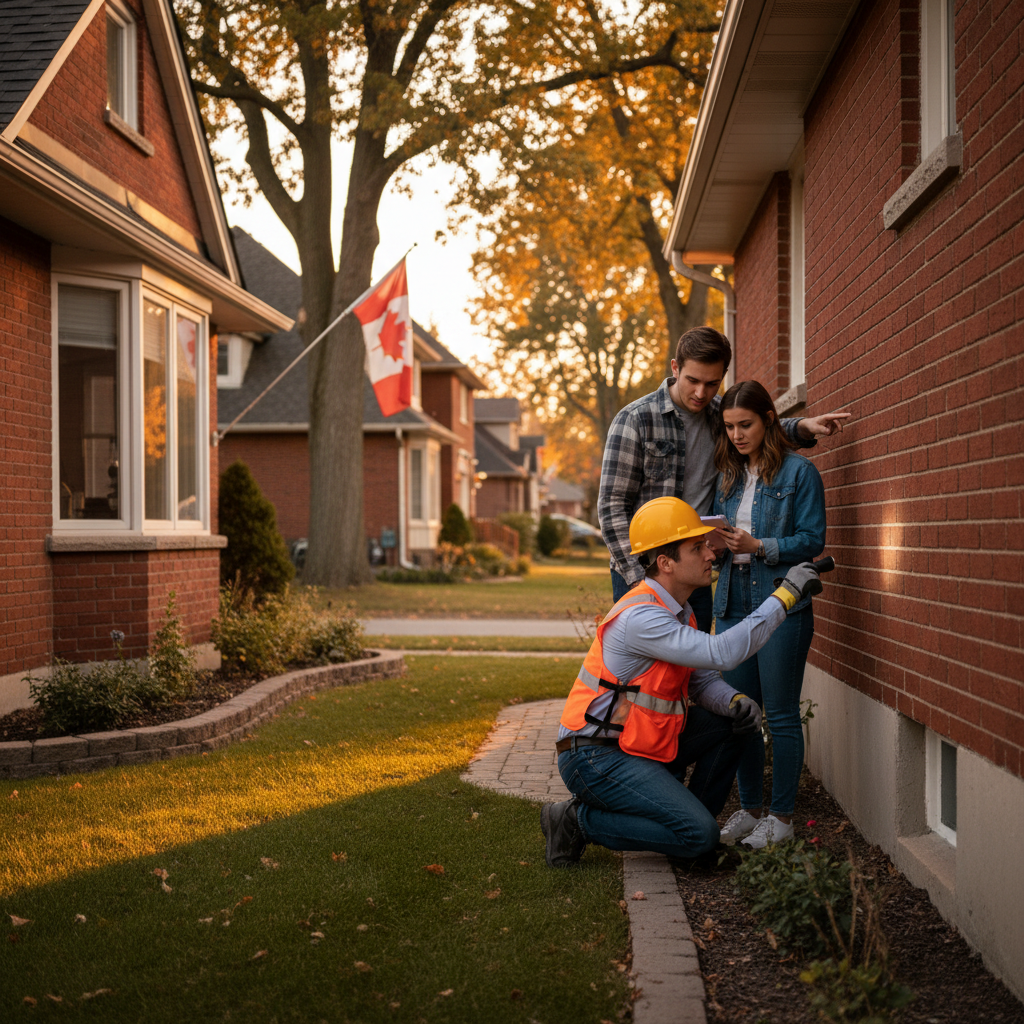
- Inspect thoroughly: General home inspection; add sewer scope, roof, structural engineer, or environmental screening if red flags appear.
- Align financing: Provide your lender with the APS, appraisal (if required), and requested documents on day one.
- Decide and negotiate: Clear conditions, request amendments, or walk away based on findings.
- Close with confidence: Final walkthrough, funds, registration, and key release coordinated by your legal team.

Types of Property and What to Check
Freehold (Detached, Semi, Townhouse)
- Title and boundaries: Confirm lot size, survey or reference plan, easements, and any shared access or mutual driveways.
- Renovations: Verify building permits and final inspections for additions, decks, basement apartments, and structural work.
- Water and drainage: Check for moisture, grading, sump operation, and past basement flooding; review any municipal requirements (e.g., downspout disconnection).
- Systems and envelope: Age/condition of roof, electrical, plumbing, HVAC; ask for maintenance records if available.
- Neighborhood context: Understand nearby developments, transit expansions, and school catchments that may affect long-term value.
Condominiums
- Status certificate review: Reserve fund strength, special assessments, major projects, rules (pets, rentals, smoking), insurance, and litigation.
- Common elements: Elevators, roofs, windows, garage membranes—what’s planned, timelines, who pays, and how it impacts fees.
- Fees and utilities: What’s included vs. separately metered (hydro, water, gas) and any bulk contracts.
- Parking and lockers: Ownership vs. exclusive-use rights; verify legal descriptions, numbers, and locations.
- Short-term rentals: Confirm rules if you plan to host; violations can lead to penalties or legal action.
Pre-Construction/New Build
- Builder APS and addenda: Understand timelines, construction milestones, and your obligations if delays occur.
- Closing adjustments: Development-related adjustments and utility hookups may apply—know them before you sign.
- Cooling-off window (condos): Use it to obtain independent legal advice, review the disclosure package, and request clarifications.
- Warranties and deficiencies: Confirm coverage, reporting deadlines, and how deficiencies are handled after occupancy.
- Assignment rights: If you may assign the unit before final closing, ensure the clause is clear and workable.
Approaches: Pre-Offer vs. Conditional Due Diligence
Speed matters in the GTA, but so does protection. Choose an approach that matches the property and market conditions.
- Pre-offer diligence (when possible):
- Review the APS template and key schedules with your lawyer in advance.
- Complete a pre-listing or seller-provided inspection review; verify scope and inspector credentials.
- Ask for permits/receipts for major renovations ahead of offer night.
- Conditional diligence (most common):
- Use short, targeted timelines (e.g., 3–5 business days) instead of waiving conditions.
- Stack tasks in parallel: title review, inspection, lender updates, and status certificate request.
- Prepare amendments in advance to save time if issues surface.
- Hybrid approach:
- Do preliminary checks (permits, basic title review) before offer night.
- Keep at least one condition (e.g., lawyer review or status certificate) to protect against unknowns.
Who Does What: Buyer, Agent, Lender, Lawyer
Great due diligence is a team sport. Clarity on roles keeps timelines tight.
Buyer
- Define goals (primary residence vs. rental) and must-haves.
- Approve offer terms and timelines; provide documents promptly.
- Attend inspections and final walkthrough.
Real Estate Agent
- Draft the APS and advise on market strategy and timelines.
- Coordinate access for inspections and walkthroughs.
- Collect disclosures, permits, and condo packages from the seller side.
Lender and Appraiser
- Issue mortgage commitments subject to conditions.
- Order appraisal if required and review property-specific risks.
- Communicate any additional documentation needs early.
Real Estate Lawyer (Our Role)
- Review your APS and schedules for clarity, remedies, and deal fairness.
- Run title searches, off-title inquiries, and confirm legal descriptions.
- Analyze condo status certificates and builder addenda.
- Coordinate closing registrations, keys, and final statements.
Step-by-Step Due Diligence Checklist
Organize your work between buyer, agent, lender, inspectors, and lawyer. Not every step applies to every property—prioritize by type and findings.
- Define smart conditions: Inspection, financing, lawyer review, condo status certificate, and sale-of-buyer’s-property (if needed).
- Gather disclosures: Seller Property Information Statement (if provided), rental contracts (furnace/water heater), appliance warranties, utility histories.
- Order inspections: General inspection first; add sewer camera, roof specialist, structural engineer, or environmental screening if red flags appear.
- Pull permits/approvals: Confirm municipal permits were obtained and closed for major renovations or additions.
- Run a title search: Identify liens, mortgages, easements, covenants, and restrictions; match legal description to MLS details.
- Condo status package: Review financials, rules, reserve fund studies, insurance certificates, board minutes, and ongoing litigation.
- Analyze the APS: Check representations/warranties, inclusions/exclusions, fixtures vs. chattels, timelines, and remedies on default.
- Validate zoning/use: Ensure current and planned use (e.g., basement suite) aligns with municipal bylaws and parking requirements.
- Coordinate with your lender: Provide APS, appraisal (if required), and requested documents immediately to keep timelines tight.
- Insurance readiness: Line up homeowner’s insurance; confirm any lender requirements and specialty riders based on property features.
- Negotiate based on findings: Request repairs, holdbacks, or contractual amendments; or walk away if risks outweigh benefits.
- Closing deliverables: Confirm keys/remotes, manuals, rentals to be assumed, utility meter readings, and vacant possession (if applicable).
- Final walkthrough: Verify agreed repairs and overall condition just before closing.
- Closing day coordination: Your legal team handles funds, registrations, title insurance, and key release.
Comparison Table: Freehold vs. Condo vs. Pre-Construction
| Property Type | Core Focus | Documents | Typical Risks |
|---|---|---|---|
| Freehold | Title/encumbrances, structural systems, drainage | Title search, survey/lot plan, permits | Unpermitted work, water intrusion, boundary issues |
| Condo | Corporation health, rules, common elements | Status certificate, reserve fund study, bylaws | Special assessments, restrictive rules, fee hikes |
| Pre-Construction | Builder terms, timelines, adjustments, warranties | Builder APS, addenda, warranty schedules | Unexpected adjustments, delays, spec changes |
Ontario-Specific Considerations (2026)
- Land transfer taxes: Understand that provincial and, in Toronto, municipal land transfer taxes apply. Plan documentation; your lawyer coordinates filings at closing.
- HST on new homes: For some new builds, HST and related rebates may be relevant. Clarify obligations within the builder APS and addenda.
- Non-resident issues: If applicable, ensure you understand any extra requirements for non-resident buyers or sellers.
- Short-term rental bylaws: Check municipal rules if you plan to host. Fines and enforcement exist for non-compliance.
- Secondary suites: Legal basement apartments require proper permits, fire separation, egress, and parking compliance.
Investor and Remote-Buyer Playbooks
Investor Lens
- Tenancies: Review lease terms, rent deposits, and any rent control implications; confirm vacant possession if that’s part of your plan.
- Unit legality: Verify duplex/triplex status and fire code compliance; check prior inspections and parking requirements.
- Capital items: Map roof, windows, HVAC, and plumbing timelines. Use inspection findings to plan maintenance priorities.
- Condo investors: Confirm rental rules, minimum lease terms, and any restrictions on lockboxes or key fobs.
Remote Buyer Tactics
- Video inspections: Join live streamed inspections; request recorded walk-throughs of attics, roofs, and mechanicals.
- Document vault: Keep a shared folder for APS versions, disclosures, photos, permits, and inspection reports.
- Virtual closings: We support phone/video consultations and remote signing to keep your transaction moving.
25 Red Flags You Can Actually Screen
- Unpermitted structural changes or basement apartments
- Basement moisture, efflorescence, or musty odors
- Old electrical panels, aluminum wiring, or knob-and-tube
- Polybutylene or galvanized plumbing
- Roof nearing end-of-life; missing shingles
- Sloping floors or foundation cracks wider than hairline
- Frozen or noisy HVAC; poor service history
- Aged clay sewer laterals; frequent backups in area
- Lot grading toward the house; downspouts not extended
- Asbestos in older materials (insulation, tiles)
- Unclear boundary markers or encroachments
- Easements or rights-of-way affecting planned use
- Condo reserve fund deficits or major projects underway
- Condo rules restricting pets, rentals, or renovations
- Builder APS with extensive adjustments and vague timelines
- Missing warranties or incomplete builder disclosures
- History of short-term rentals causing wear and complaints
- High moisture readings in bathrooms or below-grade rooms
- Poor attic ventilation; mold or staining on sheathing
- Environmental concerns near industrial corridors
- Noise or vibration near rail/transit lines beyond your tolerance
- Illegal parking pads or non-compliant front yard parking
- Septic or well issues (for edge-of-GTA or rural properties)
- Disputes or litigation referenced in condo minutes
- Ambiguous inclusions/exclusions leading to move-out surprises
Closing-Week Timeline (Day-by-Day)
- 7 days out: Confirm insurance binder; lender conditions satisfied; utilities scheduled for switch-over.
- 5 days out: Review statement of adjustments from your lawyer; verify inclusions and rentals to be assumed.
- 3 days out: Final lender confirmations; ensure funds movement is arranged with your bank.
- 1–2 days out: Final walkthrough with your agent; test major systems and verify agreed repairs.
- Closing day: Lawyer registers transfer and mortgage, confirms keys release, and provides final documents.
Tools and Resources You’ll Use
- Home inspectors: Generalists plus specialists (sewer/roof/structural) when issues emerge.
- Lawyer’s title search: Registry checks for liens, easements, encumbrances, and accurate legal descriptions.
- Condo status certificate: Financial statements, reserve fund, rules, minutes, and insurance details.
- Municipal resources: Zoning and permit verification for additions and legal secondary suites.
- Lenders and appraisers: Financing conditions, appraisal reports, and underwriting requirements.
- Insurance broker: Coverage aligned with property specifics and lender expectations.
For a broader look at how a real estate lawyer supports your purchase, see what a lawyer does for buyers. And if you want service specifics, review our real estate law overview. To minimize closing surprises, our internal resources on Ontario closing costs, a comprehensive closing costs guide, and ways to avoid closing-day surprises are helpful planning companions. You can also skim this reference on fees to know before you buy when mapping out your timeline.
Local Tips
- Tip 1: Visiting our office near Highway 27 and Finch? Book around rush hour to keep your due diligence schedule efficient.
- Tip 2: Winter snow can hide roof and grading problems. Ask for past inspection photos or records if you’re touring right after snowfall.
- Tip 3: Planning a basement rental? Many GTA homes have suites—verify zoning, parking, and prior permits early to avoid delays.
IMPORTANT: These tips reflect frequent Toronto-area scenarios we help clients navigate every week.
Case Studies and Examples (13 GTA Scenarios)
- North York freehold: A pre-offer walkthrough suggested slow drainage. A sewer scope confirmed aging clay lines. The buyer negotiated remediation before firming up.
- Downtown condo: Status review flagged an upcoming garage membrane project. The buyer adjusted expectations on fees and timing, then secured the unit confidently.
- Mississauga pre-construction: Builder addenda listed significant closing adjustments. Early legal review helped the buyer plan and avoid day-of-closing stress.
- Brampton townhouse: Seller’s disclosures mentioned a finished basement. Permit check showed no approvals. The buyer added conditions for compliance proof or a contractual adjustment.
- Etobicoke semi: Final walkthrough found a removed light fixture that was supposed to stay. A clear fixtures list in the APS made resolution straightforward.
- Scarborough bungalow: Aluminum wiring appeared in the panel. The buyer brought in a licensed electrician for a targeted assessment and negotiated accordingly.
- York condo townhouse: Parking spot numbers didn’t match records. Lawyer verification corrected the schedule before closing.
- Vaughan high-rise: Minutes showed elevator modernization. Status review clarified schedules and access impacts during the first year.
- Markham freehold: Old oil tank suspected. Environmental screening ruled it out, preventing unnecessary alarm.
- Downtown loft conversion: By-laws limited short-term rentals. Investor client adjusted strategy to long-term leasing.
- East York semi: Mutual driveway rights were unclear. Title review confirmed access easements and avoided neighbor disputes.
- Milton new build: Occupancy period confusion. Builder documents clarified the timeline and obligations during interim occupancy.
- Pickering detached: Sump pump lacked backup power. The buyer planned a simple mitigation step post-closing and kept the deal intact.
FAQ: Property Purchase Due Diligence
How long should I ask for due diligence conditions?
Match timelines to the property. In many GTA purchases, 3–5 business days can work for inspection and legal review, while condo status packages may need extra time depending on availability. In hot markets you can shorten timelines—but keep protection, even if it’s tight.
What documents does my lawyer actually review?
Your lawyer focuses on the APS and schedules, title search and off-title inquiries, condo status certificates (when applicable), and closing deliverables. The goal is to ensure the property you expect is the property you get—legally and practically.
Why is a condo status certificate so important?
It shows the condo corporation’s financial health, planned projects, rules, and any legal issues. It can reveal upcoming special assessments or restrictions (like pet or rental rules) that may change your decision or negotiation strategy.
What’s different about pre-construction due diligence?
New-build agreements are lengthy and builder-friendly. Use any cooling-off period to get independent legal advice, understand warranty coverage and timelines, and clarify what’s included versus an upgrade or adjustment.
Is title insurance enough to skip legal review?
Title insurance is helpful for certain risks, but it’s not a substitute for careful contract and status review. The strongest approach is layered protection: legal review, inspections, and appropriate insurance.
Key Takeaways
- Tailor conditions to the property type and market tempo.
- Have a real estate lawyer review your APS, title, and (for condos) status certificate.
- Use inspections to negotiate or walk away—don’t inherit preventable problems.
- Organize documents early to keep timelines tight without losing protection.
Next Steps and CTA
- Shortlist the property and draft an offer with smart conditions.
- Book your legal review so we can check the APS, title, and condo status promptly.
- Coordinate inspections and lender needs on the same day you submit the offer.
We’re here to help. If you’re purchasing anywhere in the GTA, our Toronto-based team will review your agreement, status certificate, and title—so you can sign with confidence and close smoothly. Prefer virtual? We offer phone and video consultations in English, Hindi, and Punjabi.