 08 February 2026
You’re holding a form that needs a stamp, a signature, and an independent witness—yesterday. Here’s the plain-English version of notary public services explained so you can walk into our Toronto office at 23 Westmore Dr. Unit #218A fully prepared and walk out with documents that get accepted the first time.
Quick Summary
- Understand exactly what a Notary Public does in Ontario and what they don’t.
- See which documents typically require notarization, commissioning, or true-copy certification.
- Follow a 5-step appointment flow you can complete in 10–20 minutes when prepared.
- Use Toronto-specific tips to save time getting to 23 Westmore Dr. Unit #218A.
- Know when to add Independent Legal Advice, immigration help, or real estate support.
Quick Answer
In a hurry? A Notary Public verifies identity, witnesses signatures, administers oaths, and certifies true copies so your paperwork is accepted by banks, schools, courts, and governments. Visit Vikram Sharma Law Professional Corporation at 23 Westmore Dr. Unit #218A, Toronto. As a Barrister, Solicitor, and Notary Public, we keep notary public services explained in clear terms—and help you get it right the first time.
Notary Public Services Explained: What a Notary Does
A Notary Public is a public official authorized to help prevent fraud and ensure formalities are followed. In Ontario, notaries can serve across a wide range of personal, business, real estate, immigration, and estate needs.
- Verify identity of signers with valid, government-issued photo ID.
- Witness signatures when an independent witness is required.
- Administer oaths or affirmations for affidavits and statutory declarations.
- Certify true copies of original documents (e.g., passports, diplomas, licenses).
- Attach notarial certificates confirming who signed, when, and under what formalities.
- Guide on formal requirements (e.g., where to sign, where to initial) so recipients accept your document.
Important: A notary confirms the signing process and identity, not the truth of the document’s contents. If you need advice on the terms or legal consequences, that’s legal advice—something our office can provide separately through Independent Legal Advice (ILA).
Why Notarization Matters
- Acceptance: Many institutions require notarization to accept documents—banks, schools, land registries, consulates, and courts.
- Fraud prevention: The notary’s seal signals that identity was checked and formalities were followed.
- Speed: Properly notarized documents are less likely to be rejected, saving time and repeat trips.
- Cross-border use: Notarization supports international recognition. Since 2024, Canada participates in the Apostille Convention, simplifying authentication for member countries.
- Complements legal work: Real estate closings, corporate resolutions, immigration packets, and estate filings often reference notarized exhibits.
How a Notary Appointment Works (Step-by-Step)
Most visits take 10–20 minutes when you arrive prepared. Here’s the flow we use at our Toronto office.
- Preparation
- Bring valid government photo ID (passport, driver’s license, PR card).
- Bring the original document plus any instructions from banks, schools, lenders, IRCC, or consulates.
- Don’t sign in advance if a witness/notary must observe your signature.
- Identity check
- We compare you to your ID, confirm spelling, and ensure the name matches the document.
- For true copies, we review the original alongside the photocopy—line by line.
- Oath or affirmation (if needed)
- You’ll swear or affirm the truth of statements in an affidavit or declaration.
- Signature and seal
- You sign in front of the notary. We apply the notarial seal/stamp and complete the certificate details.
- Final review
- We check that every required field is complete and provide extra copies for your records if requested.

Documents and Services We Handle (13+ Examples)
Below are frequent requests at 23 Westmore Dr. Unit #218A, with quick prep notes. If your item isn’t on the list, bring the recipient’s instructions and we’ll advise.
Identity, Copies, and Travel
- Certified true copy of passport
- Bring the original passport and a clean photocopy; we compare and certify the copy.
- Driver’s license copy certification
- Often required by banks, schools, and employers; original ID is mandatory.
- Minor travel consent letter
- Parent/guardian signs in front of the notary; include itinerary and contact details for smooth border checks.
Affidavits and Declarations
- Affidavit of service
- For court filings; signer swears they served documents as described.
- Statutory declaration
- Used in administrative processes (e.g., lost items, residency, name discrepancy).
- Name change or discrepancy declaration
- Helps banks, schools, and IRCC align records when spellings vary across documents.
Immigration and International
- Invitation letter for a visitor
- Host signs before the notary; include address, relationship, travel dates, and support details.
- Notarized translation package (translator’s affidavit)
- Translator swears accuracy; we attach translation to the source document as required.
- Certified copies for PR, study, and work permits
- We certify diplomas, transcripts, and IDs frequently used in IRCC submissions.
Real Estate and Business
- Mortgage or refinancing forms
- Lenders may require notarized execution and identity verification—especially for out-of-province use.
- Corporate resolutions, minutes, and director consents
- Directors or officers sign; we attest formalities per the recipient’s checklist.
- Shareholder or partnership agreements
- Notarization supports authenticity. For content advice, ask about Independent Legal Advice.
Need deeper real estate guidance? See our internal resource on the Title Transfer process in Ontario to understand how notarization fits into a clean closing.
Estate and Personal Planning
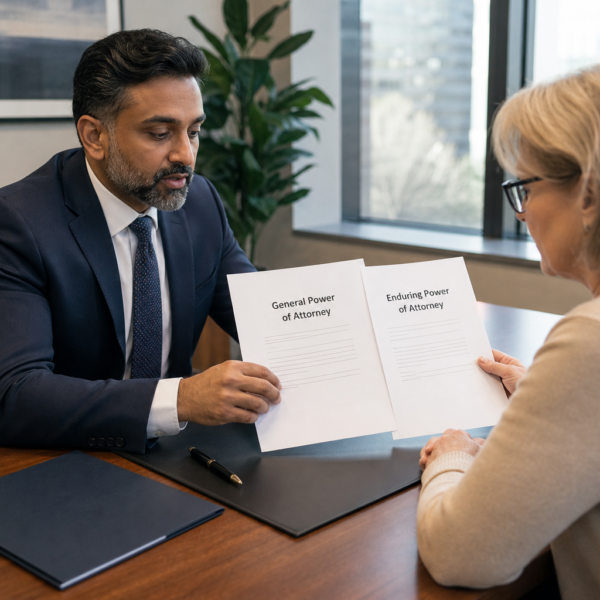
- Power of Attorney (POA)
- Some recipients require witnessing and/or notarization. If you’re setting up a new POA, review legal requirements first.
- Affidavit of execution for a will
- Witness confirms they observed the will signing; notarization supports court use and acceptance.
Planning your estate now avoids headaches later. Our Will preparation guide for Ontario covers key decisions and formalities.
Best Practices (Before, During, After)
Before Your Visit
- Confirm instructions with the requesting organization (bank, school, lender, IRCC, consulate) and bring any checklists.
- Bring valid government ID that’s current (passport, driver’s license, PR card).
- Print single-sided when possible; avoid staples on signature pages to keep seals flush.
- Leave signature lines blank until you’re in front of the notary unless told otherwise in writing.
- Line up independent witnesses only if rules forbid the notary from serving as a witness.
- For translations, bring the translator’s affidavit and attach the translated pages to the original.
During the Appointment
- Answer identity questions clearly and sign with your usual legal signature.
- Disclose language needs; our team serves clients in English, Hindi, and Punjabi.
- Ask about international use and whether you also need an apostille or additional authentication.
Afterward
- Scan and save PDFs for your records and backup.
- Submit notarized pages exactly as requested (mail, secure portal, courier).
- Keep originals secure; many authorities still require wet-ink versions for verification.
Checklists, Tools, and Resources
Bring-To-Your-Notary Checklist
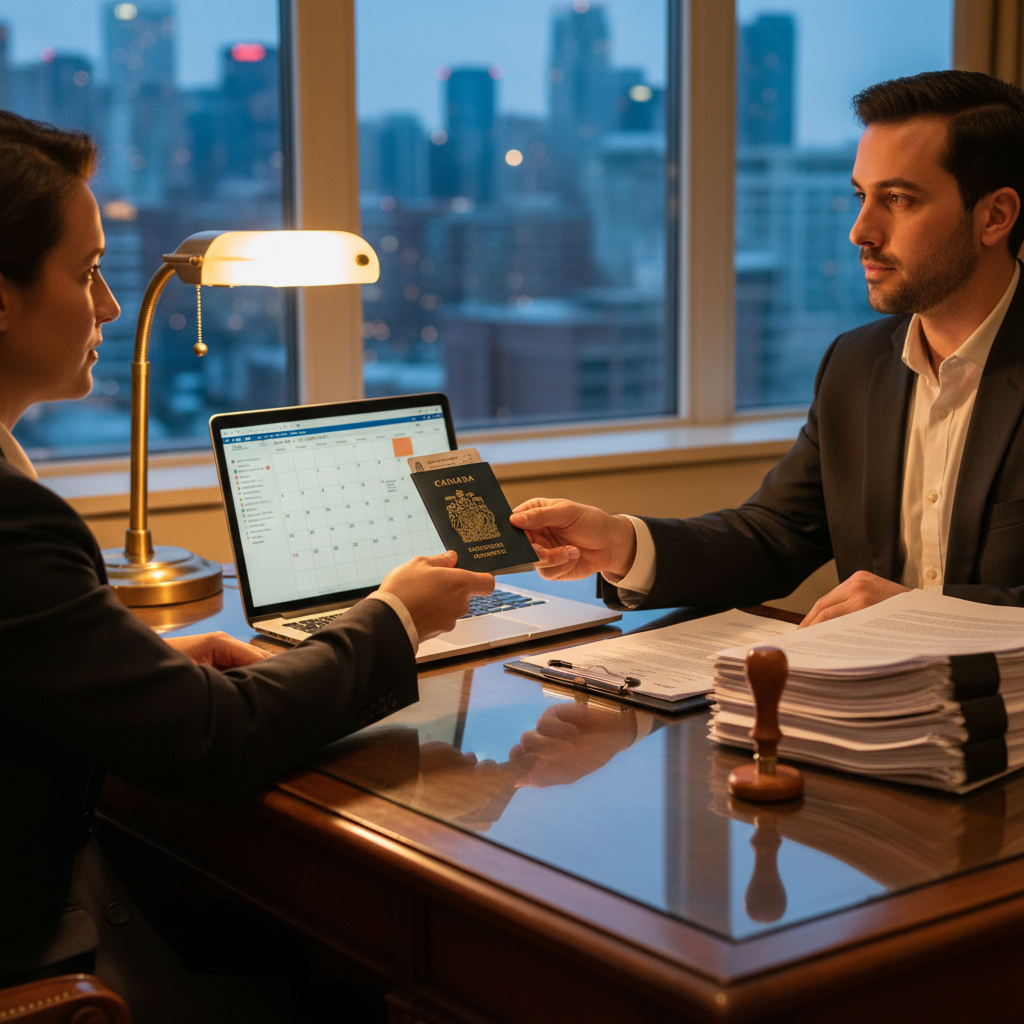
- Valid government photo ID (passport, driver’s license, PR card)
- Original documents and the recipient’s written instructions
- Clean photocopies if requesting certified true copies
- Names and contact info for any required witnesses
- Translator’s affidavit if using a translation
Common Forms We See (Examples)
- School enrollment packets and consent forms
- Banking and financial account authorizations
- Immigration affidavits and declarations
- Real estate refinancing and identity verification letters
- Corporate resolutions, director consents, and officer certificates
When International Use Is Involved
- Ask if an apostille is required for the destination country.
- Build time for additional authentication beyond notarization, if the recipient specifies it.
- Confirm document language and attach certified translations per the recipient’s rules.
Local Tips
- Tip 1: Driving in? Plan around Highway 27 and Finch Ave W traffic. Our office at 23 Westmore Dr. Unit #218A has nearby parking.
- Tip 2: Winter slush can damage paperwork—use a sealed folder or waterproof sleeve to protect originals on the way in.
- Tip 3: For real estate and corporate signings, bringing two pieces of ID speeds identity checks.
IMPORTANT: These tips make your notarization—and any related legal work—faster and smoother.
Practical Scenarios From Our Toronto Office
- Immigration study-permit extension
- A student needed certified copies of transcripts, degree, and ID for an IRCC submission. We certified while they waited so they could file the same day.
- Real estate refinancing
- A homeowner’s lender required notarized forms and identity verification. We completed the notarization in-office to keep the closing on schedule. For broader property steps, see our note on the title transfer process.
- Corporate director consent
- An out-of-province bank requested a notarized resolution and specimen signature. The director signed in person; we affixed the notarial seal and provided copies.
- Minor travel letter before March Break
- A parent signed a consent letter with itinerary and contacts attached. Border officials accepted the notarized letter without issue.
- Affidavit of name discrepancy
- We prepared a brief declaration explaining multiple spellings across documents to satisfy a bank KYC review.
Comparison: Notary vs. Commissioner vs. Lawyer
| Document/Need | Notary Public | Commissioner | Lawyer | Notes |
|---|---|---|---|---|
| Certified true copy | Yes | No | Sometimes | Notary compares original to copy and certifies. |
| Affidavit/declaration | Yes | Yes | Yes | Commissioners can administer oaths; notaries recognized more broadly. |
| Contract drafting/negotiation | No | No | Yes | Seek legal advice for rights, obligations, and strategy. |
| International documents | Yes | Limited | Yes | May also need an apostille. Ask the recipient which authority they recognize. |
How We Can Help (Soft CTA)
- One-stop convenience: Need notarization and Independent Legal Advice on the same document? We can help in one visit.
- Multilingual support: Service in English, Hindi, and Punjabi for clarity and comfort.
- Flexible consultations: In-person or virtual, especially helpful for clients across the GTA or with mobility constraints.
- Explore our services: Read more about our notary public services and how we prepare you for acceptance the first time.
FAQ
- Do I sign my document before I arrive?
- No—if the form requires witnessing, you must sign in front of the notary. For certified copies, you don’t sign at all; we compare the original to the copy and certify it.
- What ID do I need?
- Bring valid, government-issued photo ID such as a passport, driver’s license, or PR card. If the recipient specified particular ID types, follow their list.
- Can you notarize documents in languages other than English?
- Yes. If the recipient requires it, we attach a translator’s affidavit or certified translation. Our office serves clients in English, Hindi, and Punjabi.
- Do you provide legal advice on the document’s terms?
- Notarization confirms formalities and identity. For advice on rights, obligations, or strategy, ask about Independent Legal Advice during booking.
- Will a notarized document be accepted outside Ontario?
- Often yes, but some destinations require an apostille or additional authentication. Confirm with the recipient so we can guide your next step.
Helpful Cross-Links for Deeper Planning
- Working on an agreement? Review our contract drafting best practices to avoid avoidable rework.
- Family matter in progress? Our divorce agreement checklist helps you prepare supporting documents that sometimes require notarization.
- Setting up decision-makers? Read this external guide on how to set up a Power of Attorney before you book your witnessing.
Key Takeaways
- Notarization = process and identity, not legal advice on content. Ask for ILA if you need guidance on terms.
- Arrive prepared with valid ID, originals, clean copies, and the recipient’s written instructions.
- Cross-border use may need an apostille; ask the recipient early to avoid delays.
- One-stop support: Our Toronto office can combine notarization with real estate, corporate, immigration, or estate help.
Conclusion and Next Steps
- Book with confidence: Walk in ready and walk out with documents that stand up to scrutiny.
- Visit us at 23 Westmore Dr. Unit #218A, Toronto, or schedule a virtual consult to confirm requirements first.
- Bring this checklist so your appointment takes 10–20 minutes, not an hour.
- When in doubt, bring the recipient’s instructions—banks, schools, IRCC, and lenders all have different rules.
We’re here to make it simple. Clear guidance. Real results. Multilingual support. That’s how we serve justice while serving clients across the GTA.