 10 April 2026
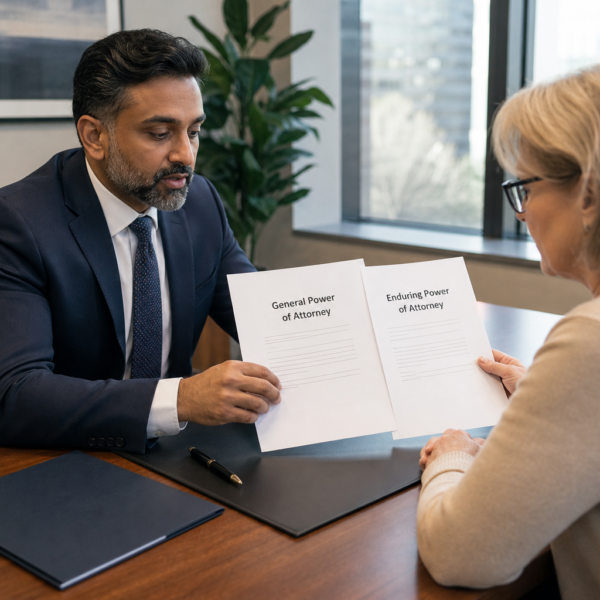
Notarized documents requirements are the concrete rules you must meet for a notary to certify your paperwork: appear in person (or approved remote session), bring valid government photo ID, sign in the notary’s presence, complete all fields, follow any witness rules, and allow the notary to apply a seal and record the act.
By Vikram Sharma Law Professional Corporation • Last updated: April 10, 2026
Summary
To pass notarization the first time, confirm identity, completeness, and intent. Bring original ID, unsigned documents, and any required witnesses. The notary will verify identity, watch you sign, complete a certificate, and affix a seal. This checklist prevents the most common rejection triggers at banks, consulates, and government offices.
- What you’ll learn: Core notarized documents requirements, how appointments work, and how to avoid rejections.
- Who it’s for: Real estate buyers/sellers, families, business owners, and immigration applicants who need documents notarized or commissioned.
- Why it matters: Rejected paperwork delays closings, travel, immigration filings, and benefits. Solid preparation keeps timelines on track.
- What you’ll get: Step-by-step checklists, 13 real-world examples, a quick ID guide, and practical best practices from our notary desk.
Quick Answer
Notarized documents requirements are simple: show valid photo ID, sign in front of the notary, and ensure the document is complete and properly witnessed if needed. At our Toronto office (23 Westmore Dr., Unit #218A), we notarize affidavits, statutory declarations, certified true copies, and powers of attorney daily.
Local Tips
- Tip 1: If you’re coming from Etobicoke or Brampton via Highway 427, plan for peak traffic near Finch Ave. Build a 10–15 minute buffer so witnesses arrive on time for documents that require them.
- Tip 2: For travel consent letters and certified true copies before holiday weekends, book earlier in the day; couriers and government counters shorten hours on Fridays and around long weekends.
- Tip 3: Bring original IDs and originals of diplomas or passports—photocopies alone can’t be certified as “true” unless we compare them with the originals at our desk.
IMPORTANT: These tips reflect our daily process serving families, real estate clients, and businesses at our Toronto location.
What Are Notarized Documents Requirements?
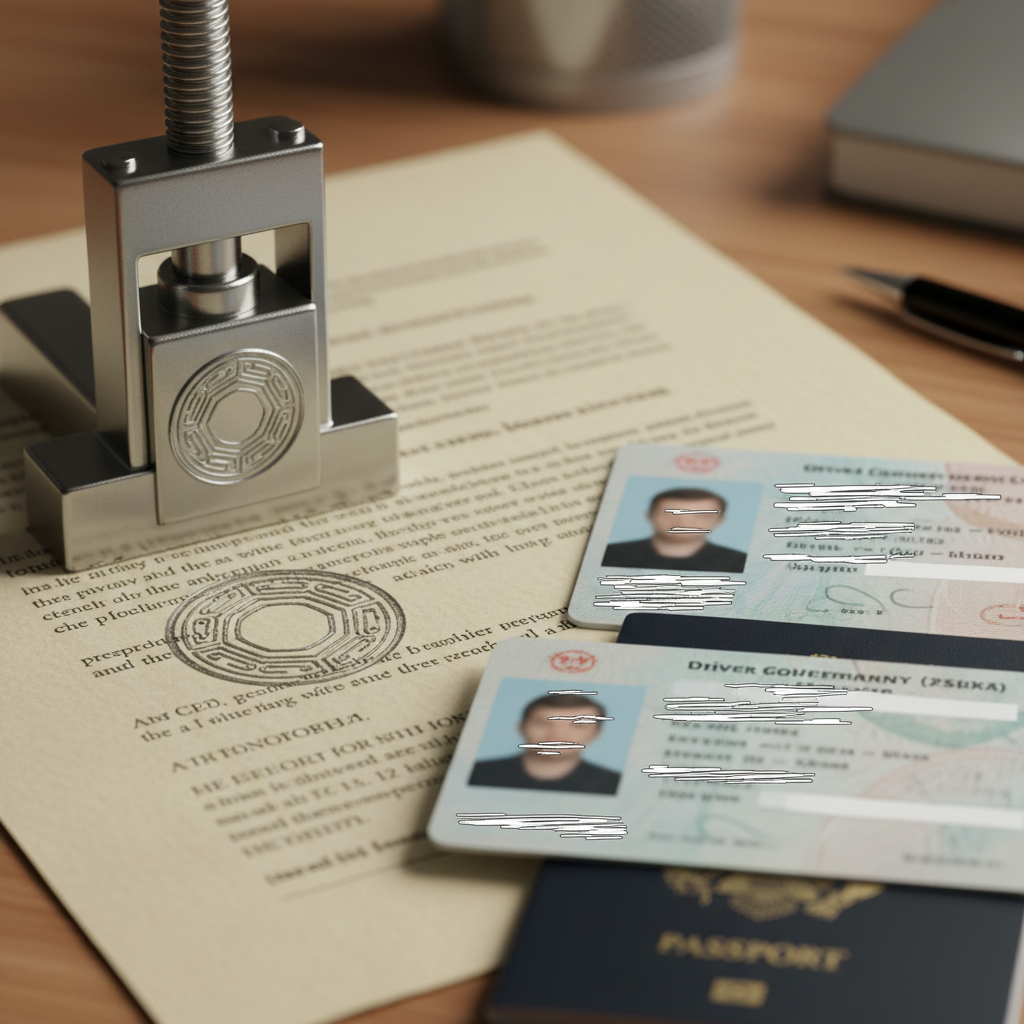
Notarized documents requirements are the conditions a notary verifies before certifying a document: identity, willingness, awareness, completeness, proper wording of the notarial certificate, and correct witnessing. Meeting these standards ensures third parties—banks, courts, consulates—trust the document’s authenticity and the signer’s identity.
- Core identity rules:
- Government-issued, unexpired photo ID (passport, driver’s license, PR card).
- Exact name match between ID and the document’s signature block.
- Signer must appear in person or by an approved remote method.
- Document integrity:
- All pages present; no blank required fields; attachments labeled.
- No white-out or altered dates; use clean, legible copies.
- Language understood by the signer; translations handled correctly.
- Notarial certificate:
- Proper wording (acknowledgment, jurat/oath, or copy certification), signed and sealed by the notary.
- Place and date of notarization included; notary’s full name and commission details recorded.
- Witnessing (when required):
- Independent adult witnesses who bring their own IDs.
- Witnesses must be present for the entire signing—no exceptions.
Here’s the thing: third parties don’t know you—they know a process. Clear IDs and a clean certificate turn skepticism into approval.
Why These Requirements Matter (And How Rejections Happen)
Documents get rejected for predictable reasons: ID/name mismatches, signing before meeting the notary, missing witnesses, wrong certificate type, or incomplete pages. Fixing these before your appointment prevents delays with lenders, title companies, immigration officers, and foreign consulates.
- Typical rejection triggers we see at our desk:
- Name mismatch: “John A. Smith” on ID vs. “John Smith” on the document.
- Pre-signed pages: Signatures made before appearing before the notary.
- Wrong notarial act: A jurat (oath) used when the recipient required an acknowledgment.
- Missing exhibits: Schedules or attachments referenced but not attached.
- Photo-only copies: Certified true copy requested without the original present.
- Downstream consequences:
- Real estate closings pushed back by lenders or title offices.
- Immigration filings returned for correction, restarting internal queues.
- Bank powers of attorney refused at the counter until corrected.
- Our preventative approach:
- We pre-screen by email, flagging certificate language and witness needs.
- We check IDs and name spellings before signing anything.
- We provide or complete the right notarial certificate for the destination.
According to official guidance from courts and consular offices, identity assurance and correct certificates are the backbone of acceptance. The fewer surprises at the counter, the faster your document is recognized.
How Notarization Works: Step-by-Step
The notary verifies identity, confirms willingness and awareness, observes you sign, completes the appropriate notarial certificate, and applies a seal. If witnesses are required, they sign in sequence. The notary records details in a journal entry for traceability.
- Pre-appointment check: Email us a scan so we confirm certificate type and witness needs.
- Arrival and ID: Bring valid, unexpired photo ID. We confirm likeness and match names.
- Document review: We scan for blanks, exhibits, and any pre-signed areas (not allowed).
- Oath or acknowledgment: You either swear/affirm (jurat) or acknowledge a signature.
- Signing: You and witnesses sign in our presence, in blue or black ink.
- Notarial certificate: We complete, sign, date, place, and seal the certificate.
- Record: We enter details in our notary journal for compliance and traceability.
| Stage | What We Verify | Your Requirements | Common Pitfalls |
|---|---|---|---|
| Identity | Name, photo, validity, likeness | Government photo ID, exact name match | Expired ID, nickname vs. legal name |
| Document | Completeness, attachments, language | All pages, originals for copy certs | Missing exhibits, blank fields |
| Act Type | Acknowledgment vs. jurat | Know recipient’s requirement | Wrong certificate wording |
| Execution | Presence, sequence, ink | Sign in front of us | Pre-signed pages |
| Seal & Record | Seal clear, details logged | Allow journal entry | Illegible seal imprint |
For a deeper overview of our approach, see our notary public services page.
Common Documents and Their Specific Requirements
Different documents trigger different requirements. Affidavits and statutory declarations require an oath or affirmation; powers of attorney often require independent witnesses; certified true copies require the original. Preparing to the document’s rule set prevents last-minute surprises.
Affidavits and Statutory Declarations
- Core requirement: Sworn or affirmed in the notary’s presence (jurat/solemn declaration).
- Use cases: Name change, residency, invitation letters, insurance claims.
- Pro tip: Bring supporting exhibits labeled “Exhibit A/B” and referenced in the body text.
- Learn more: Our short guide on differences clarifies wording and usage in practice—see affidavits vs. statutory declarations.
Powers of Attorney
- Core requirement: Signer’s capacity and intent, plus witnesses who meet eligibility rules.
- Use cases: Banking, property, health care directives (varies by form).
- Pro tip: Some banks insist on their own forms—confirm with the branch before you sign.
- Service info: We routinely prepare and witness these—see our power of attorney service page.
Certified True Copies
- Core requirement: Original document must be physically shown to compare with the copy.
- Use cases: Passports, diplomas, corporate certificates, immigration records.
- Pro tip: Avoid low-resolution phone photos; bring a clear printed copy for stamping.
- Read next: Our guide to certified true copies requirements explains what counts as “original.”
Real Estate and Mortgage Packages
- Core requirement: Correct acknowledgment forms, initials on each page, and witness rules followed.
- Use cases: Refinances, out-of-province purchases, private lender packages.
- Pro tip: Confirm the lender’s signing instructions before arriving; some require two witnesses.
- Service info: Our real estate law team coordinates notarization with closing timelines.
Immigration Forms and Declarations
- Core requirement: Exact spellings and dates; translation affidavits if documents aren’t in English.
- Use cases: Invitation letters, statutory declarations, certified copies of status documents.
- Pro tip: Bring both your passport and PR card when certifying immigration copies.
- Practice note: We support applicants with clear, recipient-ready packages prepared in our office.

Best Practices and a Pre-Appointment Checklist
Bring original ID, unsigned documents, required witnesses with their IDs, and any referenced exhibits. Confirm the certificate type with the recipient and leave blank spaces unfilled only if instructed. This 10-minute prep prevents 90% of rework and delays.
Five-minute ID and Name Audit
- Match the document’s printed name to the name on your ID—middle initials included.
- Use the same signature style you use for banking and government records.
- Check ID validity and condition (no cracks or heavy wear that obscures data).
Document Completeness Pass
- Verify every page and attachment is present and in order.
- Highlight any fields labeled “for notary” or “notary completes” so you don’t fill them.
- Flag any references to “Exhibit A/B” and bring those pages or items.
Witness Planning
- Confirm whether witnesses must be independent (not relatives or beneficiaries).
- Ask witnesses to bring their photo IDs and to be present from start to finish.
- Arrange a quiet signing space to avoid distractions that cause errors.
Language and Translation
- Ensure you understand the contents; if not, arrange a qualified translation and, where applicable, a translator’s affidavit.
- Keep translated text attached to the original and reference the exhibits clearly.
Final Read-Through
- Confirm dates, addresses, and ID numbers are accurate and legible.
- Bring a printed copy even if you also have a PDF—wet ink remains widely required.
Need a quick primer on what a notary can and cannot do? Our explainer covers it in plain language: what a notary does.
Get your documents accepted the first time
We notarize affidavits, declarations, powers of attorney, and certified true copies every day for families, homebuyers, and business owners. Send us your draft and we’ll pre-check certificate wording and witness rules before you arrive.
Tools and Resources You’ll Use
The essentials are straightforward: valid ID, original documents for copy certification, the correct notarial certificate, and independent witnesses when needed. Optional adds—translation affidavits and pre-appointment reviews—reduce risk for immigration, banking, and cross-border use.
- Identity documents: Passport, driver’s license, citizenship card, PR card.
- Originals for copies: Diplomas, passports, registration certificates, corporate documents.
- Notarial certificates: Acknowledgments, jurats/solemn declarations, and copy certifications.
- Witnesses: Independent adults when your form demands it (bring their IDs).
- Translations: If a recipient requires English versions, bring certified translations and the translator’s sworn statement.
- Pre-check: Our office review by email catches most issues before you travel to us.
13 Real-World Examples (What We See Every Week)
Real files reveal the patterns. These short scenarios map common notarizations to their specific requirements so you can mirror successful submissions and avoid avoidable re-work.
- Out-of-town refinance: Lender package required two witnesses plus borrower ID; success after a name spelling fix.
- Diploma copy for employment: Original diploma presented; copy certified; employer accepted immediately.
- Invitation letter for a visitor visa: Declarant swore a statutory declaration; passport and proof of address attached as exhibits.
- Bank power of attorney: Bank’s own form used; two independent witnesses; branch accepted same day.
- Consent to travel letter: Parent’s signature witnessed; passport details included; airline cleared boarding.
- Name change affidavit: Sworn statement with birth certificate exhibit; accepted by the requesting agency.
- Corporate resolution: Director acknowledged signature; corporate minute book page attached as exhibit.
- Certified copy of PR card: Original presented; high-quality photocopy stamped; immigration file complete.
- Property ownership declaration: Seller acknowledged signatures across multiple pages; initials verified.
- Statutory declaration of common-law union: Joint declaration sworn; IDs cross-checked; benefits processed.
- Lost passport affidavit: Sworn narrative; police report reference included; consulate accepted.
- Trademark assignment acknowledgment: Signer identified as authorized officer; assignment pages initialed.
- Academic transcript copy: Original transcript sealed; copy certified; foreign evaluation agency approved.
These examples are typical of the notarizations we complete for families, real estate transactions, and corporate filings. The common thread: identity proof, correct act type, and clean paperwork.
FAQ: Notarized Documents Requirements
Bring valid photo ID, do not sign until you’re in front of the notary, and make sure the document is complete. If witnesses are required, they must be present with IDs. Originals are needed for certified true copies. These steps match what most recipients expect.
- How do I know if I need an acknowledgment or a jurat?
Look at the recipient’s instructions. Acknowledgments verify identity and that you voluntarily signed. Jurats require you to swear or affirm the contents are true. When in doubt, we’ll review the destination’s guidance and prepare the correct certificate at our desk.
- Can you notarize a document I already signed?
No for jurats and most acknowledgments. The notary must witness your signature or confirm an earlier signature with you present and properly identified, using the right certificate. We’ll advise the right approach once we see the form.
- What IDs are acceptable?
Government-issued, unexpired photo ID such as a passport, driver’s license, PR card, or citizenship card. The name must match the signature block. If your legal name changed, bring supporting proof to align the records.
- Do you provide witnesses?
We can usually arrange witnesses with notice. However, some documents require independent witnesses who are not related to you and have no interest in the document. We’ll confirm eligibility before booking.
- Can you certify a photocopy without the original?
No. To certify a “true copy,” the original must be presented for comparison. Bring both the original and a clear copy for stamping so we can complete the certificate immediately.
Conclusion and Next Steps
Success with notarized documents comes down to preparation: valid ID, correct certificate, complete pages, and present witnesses. A brief pre-check avoids the usual rejection culprits and keeps closings, filings, and travel on schedule.
- Key Takeaways
- Bring unexpired government photo ID that matches the document.
- Don’t sign until the notary instructs you to sign.
- Match certificate type to what your recipient demands.
- Attach all exhibits and keep translated materials together.
- Action Steps
- Email us your draft for a quick review of requirements.
- Book witnesses in advance if your form requires them.
- Bring originals for any certified copy requests.
Ready to get it done right? Our notary team supports families, businesses, and real estate clients every day. Start here: schedule a notary session.