
 26 February 2026
You’re excited to get the keys. But there’s one lingering question most buyers and refinancers ask: what exactly do mortgage closing costs in Ontario cover? If you’re purchasing, refinancing, or switching lenders anywhere in the GTA, understanding “mortgage closing costs Ontario” early helps you plan confidently and avoid last-minute stress.
Quick Answer
Mortgage closing costs in Ontario typically include legal services and disbursements, title insurance, land transfer tax (plus a Toronto municipal tax for properties in the city), lender/appraisal fees, and adjustments. At our Toronto office—23 Westmore Dr. Unit #218A—we coordinate documents and funding and explain each item so your closing is smooth and on time.
At a Glance
- What you’ll learn: Every typical charge on an Ontario mortgage closing, who collects it, and when it’s due.
- Why it matters: Clear expectations mean fewer surprises, faster funding, and on-time keys.
- Who this helps: First-time buyers, move-up buyers, investors, and homeowners refinancing or switching lenders in Toronto and across Ontario.
- How we help: As a Toronto real estate law team, we review lender instructions, handle title searches and registrations, and keep you informed at every step.
As part of our real estate law services, Vikram Sharma Law Professional Corporation guides GTA clients through purchases, refinances, and switches with transparent communication, multilingual support (English, Hindi, Punjabi), and flexible in-person or video signings.
Above-Fold Section: Your Roadmap to a Smooth Ontario Mortgage Closing
Start with the big picture, then drill down.
- Know the buckets: Government taxes, legal/registration, lender/valuation, insurance/protection, and adjustments.
- Map the timing: What you complete before, on, and after closing day.
- Confirm documents early: Mortgage commitment, lender instructions, IDs, home insurance, void check, and (for purchases) down payment verification.
- Clarify responsibilities: Which charges the lender sets, which your lawyer pays on your behalf, and which the seller credits on adjustments.
- Use one checklist: Track conditions, signatures, wires, and keys.

What Are Mortgage Closing Costs?
Closing costs are the one-time charges you pay to finalize a home purchase, refinance, or mortgage switch. They’re separate from your down payment and monthly mortgage payments.
- Common to purchases and refinances:
- Legal services and disbursements
- Title insurance
- Title searches and registrations
- Lender fees (as applicable)
- Appraisal/valuation checks
- Proofs and confirmations (home insurance; sometimes additional lender requirements)
- Purchase-specific:
- Ontario land transfer tax
- Toronto municipal land transfer tax (if the property is within the City of Toronto)
- Adjustments (property tax, condo fees, utilities)
- Home inspection (optional but recommended)
- Refinance/switch-specific:
- Discharge of existing mortgage
- Bridge financing arrangements (in certain move-up scenarios)
- Independent Legal Advice (ILA) when required by the lender
Mortgage Closing Costs Ontario: Complete Breakdown
Organize the details by purpose. This makes review—and lender condition tracking—much easier.
Government & Taxes
- Ontario Land Transfer Tax (purchases): Calculated based on purchase price; a provincial first-time home buyer refund may apply if you qualify.
- Toronto Municipal Land Transfer Tax (purchases in Toronto): City-level tax charged in addition to the provincial amount.
- HST considerations: HST may apply to certain legal services, some new builds, and specific disbursements. Your lawyer clarifies where it applies.
Legal & Registration
- Legal services: Reviewing the commitment, explaining terms, preparing/attending signing, coordinating funds, and reporting to you and the lender.
- Disbursements: Title, tax, and writ searches; registration fees; wire/courier; certified copies.
- Title registration: Registering the transfer (for purchases) and the mortgage(s) on title.
- Mortgage discharge (refinance/switch): Removing the old mortgage and confirming payout with the prior lender.
- Notarization & certifications: When needed, see our overview of notary public services and document certification.
Lender, Appraisal & Valuation
- Lender fees: Some lenders charge administrative or underwriting fees; private lenders often have their own structures.
- Appraisal/valuation: Lenders may require an appraisal to confirm market value and risk.
- Verification costs: Employment/income verification and other compliance checks as required by the lender.
Protection & Insurance
- Title insurance: A one-time premium policy that can help protect against certain title-related risks as set out in the policy terms.
- Home insurance: Required by lenders before funding; ensure the loss payee box names the lender and the effective date matches closing.
- Mortgage default insurance (high-ratio): Required by law when the down payment is below a threshold; typically added to mortgage principal.
Adjustments & Utilities
- Property tax adjustments: Reconcile prepaid or outstanding taxes to the closing date.
- Condo fee adjustments: Aligned to the statement date in the status certificate.
- Utilities and other prorations: Settled based on meter readings and prepayments.
How Mortgage Closings Work in Ontario
Ontario is a lawyer-driven closing system. Your real estate lawyer coordinates lender conditions, title, registrations, and keys.
- Engagement & intake: Retainer, ID verification, intake of your agreement and lender details.
- Lender instructions: We review conditions and confirm documentation and timelines with your lender.
- Title search & due diligence: We check for liens, mortgages, executions, taxes, and (for condos) review the status certificate.
- Insurance confirmations: Proof of home insurance with the lender as loss payee; title insurance arranged and documented.
- Signing appointment: In-person at 23 Westmore Dr. Unit #218A or by video—review and execute transfer and mortgage documents.
- Funding & registration: Lender funds received into trust, instruments registered, and release of keys coordinated.
- Post-closing report: Final report with copies of registered documents and the trust ledger.
For title registration specifics, see our short title transfer process guide for Ontario buyers and sellers.
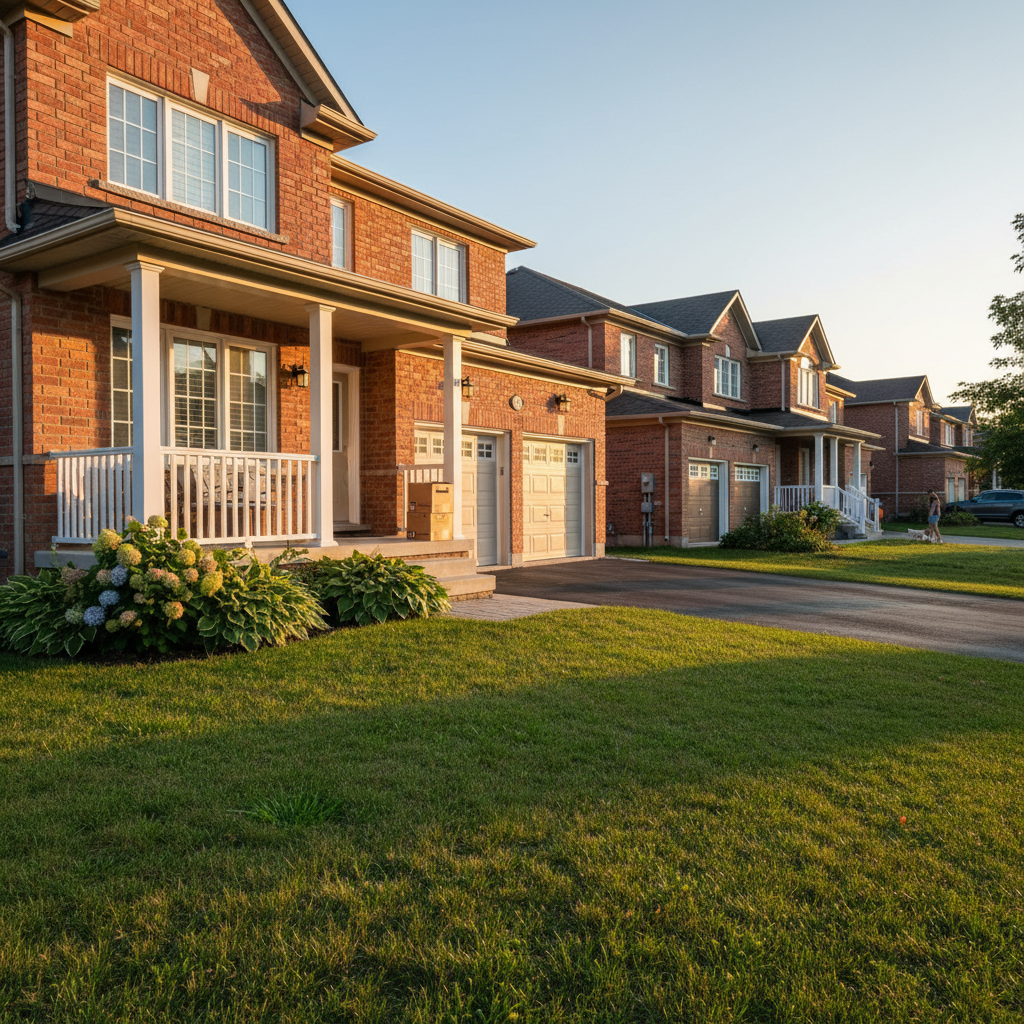
Process at a Glance (Ontario Mortgage Closing Timeline)
| Stage | What Happens | Key Documents | Who’s Involved |
|---|---|---|---|
| Pre-approval | Budgeting and lender pre-approval | Pre-approval letter | You, lender |
| Offer accepted | Lawyer engaged; title search begins | Agreement of Purchase and Sale | You, lawyer, realtor |
| Lender instructions | Conditions reviewed and satisfied | Commitment and instructions | Lender, lawyer |
| Signing | Execute transfer/mortgage documents | Mortgage package, transfer, IDs | You, lawyer |
| Funding & registration | Funds received; title registered | Registered instruments | Lender, lawyers |
| Keys & move-in | Keys released after confirmations | Final report and ledger | You, realtor, lawyer |
Purchase vs. Refinance vs. Switch: Which Costs Apply?
Use this comparison to anticipate what you’ll likely see in your file.
| Cost Category | Purchase | Refinance | Switch (New Lender) |
|---|---|---|---|
| Ontario Land Transfer Tax | Yes | No | No |
| Toronto Municipal Land Transfer Tax | If in Toronto | No | No |
| Title Registration | Transfer + Mortgage | Mortgage | New Mortgage |
| Title Insurance | Yes | Yes | Yes |
| Lender/Admin/Appraisal | As applicable | As applicable | As applicable |
| Adjustments (Taxes/Condo) | Yes | N/A | N/A |
| Mortgage Discharge | N/A | Yes | Yes (if paying out prior) |
| Independent Legal Advice | Sometimes | Sometimes | Sometimes |
Why Mortgage Closing Costs Matter (and How They Protect You)
- They secure clear title: Proper searches, insurance, and registrations protect ownership and lender interests.
- They keep conditions satisfied: Many lenders require appraisals, insurance, and executed documents before funding.
- They prevent disputes: Adjustments and accurate ledgers help avoid post-closing surprises between buyer and seller.
- They reduce risk: Title insurance helps cover specific title-related risks and certain fraud scenarios (per the policy).
- They speed up funding: Accurate, timely documents lead to on-time closings and stress-free key pickup.
Best Practices to Keep Closing Smooth (and Stress Low)
- Engage your lawyer early: Early intake catches name mismatches, condo arrears, or title encumbrances with time to resolve.
- Use a single source of truth: Store lender conditions, IDs, and insurance proofs in one secure folder with clear file names.
- Confirm wire and ID deadlines: Funds or ID delays are a common reason closings slip to the next day.
- Start home insurance early: Align coverage start with closing and add your lender as loss payee.
- Ask about ILA: For private mortgages, spousal guarantees, or complex terms, plan an Independent Legal Advice session.
- Review status certificates (condos): Look for special assessments, arrears, or rule restrictions that impact budgeting.
- Expect adjustments: Property tax, condo fees, and utilities get reconciled; don’t let prorations surprise you.
- Do a final walkthrough: Confirm condition and any negotiated repairs or inclusions before completion.
For a nuts-and-bolts refresher on documents, our contract drafting best practices article helps you spot common pitfalls in agreements and commitments.
Local Tips
- Tip 1: Buying within the City of Toronto? Budget for the municipal land transfer tax in addition to the provincial tax.
- Tip 2: Winter closings around the Gardiner, Hwy 427, and Hwy 401 can affect movers and parking—build buffer time.
- Tip 3: If you’re signing at 23 Westmore Dr. Unit #218A, plan around Albion Rd and Finch Ave W traffic to keep your day on schedule.
IMPORTANT: These tips reflect the GTA logistics and legal steps our Toronto team coordinates daily.
Tools & Resources (Ontario Mortgage Closings)
- Document checklist: Government-issued IDs, down payment proof (for purchases), insurance binder, void check, lender commitment, and conditions list.
- Title search and registration: Your lawyer runs searches and files registrations through Ontario’s electronic land registry.
- Title insurance: Organized by your lawyer; you’ll receive policy documentation outlining coverage specifics.
- Communication plan: Weekly updates until funding; same-day confirmations on wire receipts and registrations.
- What to expect: See this short explainer on what to expect at closing day for Ontario buyers.
Case Snapshots: Real GTA Scenarios
Toronto First-Time Buyer (Condo)
- Challenge: Tight lender timeline; confusion about taxes, title insurance, and adjustments.
- Approach: We explained Ontario and Toronto land transfer taxes, reviewed the status certificate, and secured insurance proof early.
- Result: Funds released on time; statement of adjustments matched expectations—no last-minute stress.
Brampton Family Refinancing
- Challenge: Private lender required spousal ILA plus additional verification.
- Approach: We scheduled Independent Legal Advice, clarified mortgage terms, and arranged discharge of the existing charge.
- Result: Refinance completed smoothly with clear documents and timely registration.
Mississauga Move-Up Purchase
- Challenge: Bridge financing and overlapping closing dates.
- Approach: We mapped cash flow, coordinated with both lenders, and timed insurance for the move-in date.
- Result: Keys on time; seller and buyer aligned on prorations with no disputes.
Pricing Factors (What Drives Your Final Total)
We don’t quote numbers here, but these variables typically influence the overall closing total:
- Location: City of Toronto purchases involve a separate municipal land transfer tax.
- Property type and value: Taxes, title insurance, and lender conditions often scale with value and property characteristics.
- Mortgage structure: High-ratio or private mortgages may add lender requirements.
- Condo vs. freehold: Status certificate review and condo fee adjustments apply to condos only.
- Timeline and complexity: Rush deals, multiple payouts, or title issues can add steps to your file.
Advanced Planning: Avoid These 13 Common Closing Frictions
- Name mismatches on IDs: Ensure IDs match the agreement and mortgage exactly.
- Insurance binder gaps: Start the policy the day of closing; add the lender as loss payee.
- Wire cutoffs: Confirm your bank’s same-day wire deadlines (and time zones).
- Condo arrears or special assessments: Review the status certificate early and plan accordingly.
- Undisclosed renovations: Unpermitted work can raise red flags with lenders and title insurers.
- Outstanding property taxes: Settle or reconcile on closing to avoid penalties.
- Surveys/lot line uncertainties: Discuss with your lawyer whether a survey or title insurance endorsement is advisable.
- Tenancy complications: Confirm vacant possession or transfer of leases in writing.
- New build closing dates: Builder extensions or seasonal holdbacks can alter timelines.
- Private lender conditions: Expect ILA, additional verification, and possibly different documentation standards.
- Multiple payouts: Refinances with several debts to clear require accurate payout statements.
- Inconsistent down payment proof: Keep a clean paper trail for funds.
- Photo ID expiry: Renew well in advance; expiring IDs can derail signing.
Scenario Deep Dives
Condos vs. Freehold Homes
- Condos: Status certificate review, condo fee adjustments, and building rules to verify (move-in procedures, elevator bookings).
- Freehold: Utility meter reads, property tax reconciliation, and any well/septic considerations on rural properties.
New Build vs. Resale
- New build: Builder forms, potential HST considerations, and warranty documentation timing.
- Resale: Home inspection, adjustments with the seller, and immediate utility transfers.
Refinance vs. Switch
- Refinance: Discharge of the old mortgage, new registration(s), and potential multiple payouts on the trust ledger.
- Switch: Discharge of prior lender and setup with the new lender; often similar documentation minus purchase-related taxes.
How to Read Your Statement of Adjustments (Purchases)
- Purchase price: As per the Agreement of Purchase and Sale.
- Credits to buyer: Deposits already paid, any negotiated credits.
- Debits to buyer: Land transfer tax(es), government fees, and prorations.
- Property tax proration: Reimburses or credits based on the closing date and payments made by seller/buyer.
- Condo fee proration: Based on the statement date in the status certificate.
- Balance due on closing: The amount your lawyer needs in trust to complete purchase and registration.
Free 15-Minute Call: Ask Us About Your Closing
Have questions about lender conditions, adjustments, or title insurance? Book a quick call with our Toronto team and get practical next steps tailored to your file.
Tools You Can Use This Week
- One-folder system: Keep PDFs of ID, insurance binder, commitment, and conditions in one shared folder.
- Filename hygiene: Use clear names like “ID-Passport-J-Singh-2026-02-01.pdf”.
- Condition tracker: Create a simple checklist with due dates and who’s responsible (you, lender, lawyer).
- Calendar reminders: Add wire cutoff times, insurance start date, and signing appointment with location and parking notes.
- Quick references: Save our Ontario title transfer guide and your lender’s contact in the same folder.
Frequently Asked Questions
Do I need a lawyer to close a mortgage in Ontario?
Yes. Ontario transactions are lawyer-driven. Your lawyer registers the mortgage and, for purchases, the transfer of title. We also complete title searches, coordinate funds with your lender, and issue a final report. This ensures title is properly registered, lender conditions are met, and keys are released without delay.
What’s the difference between purchase and refinance closing costs?
Purchases include items like land transfer tax, title transfer, and adjustments with the seller. Refinances and lender switches do not include land transfer tax but do involve discharging the prior mortgage and registering a new one, along with any appraisal or lender verification requirements. Both scenarios include legal services, disbursements, title insurance, and proof of home insurance.
Is Independent Legal Advice (ILA) really necessary?
Some lenders require ILA for spousal guarantees, private mortgages, or complex terms. ILA protects the signer by confirming they understand obligations and risks. Our team provides independent legal advice sessions and, where required, issues opinion letters so funding stays on track.
When are adjustments settled?
Adjustments are reconciled on the statement of adjustments prepared by the lawyers. Property taxes, condo fees, and certain utilities are prorated to the closing date. This prevents overpayment or underpayment between buyer and seller and helps ensure a clean transfer on possession.
What documents should I prepare for my mortgage closing?
Typical documents include government-issued IDs, proof of home insurance, down payment verification (for purchases), a void check for payments, and any lender-requested confirmations. Your lawyer will provide a tailored list and deadlines so nothing holds up funding or registration.
Key Takeaways
- Plan the buckets: Taxes, legal/registration, lender/appraisal, insurance, and adjustments.
- Time the steps: Pre-approval, offer, instructions, signing, funding, registration, and keys.
- Bring help early: A lawyer-centered process keeps conditions satisfied and title secure.
- Stay proactive: Confirm IDs, insurance, and wires early to avoid closing delays.
- Local nuance matters: Toronto land transfer tax and GTA logistics can affect timing and paperwork.
If you’re ready to map your Ontario closing with confidence, our Toronto-based team will coordinate your lender, documents, and registrations—and keep you updated at every step. Visit us at 23 Westmore Dr. Unit #218A or book a video signing at your convenience.