
 19 June 2026
Notary services in Toronto are the official witnessing and certification of signatures and copies by a licensed notary public. Appointments are fast—often under 15 minutes—and require valid government ID. At 23 Westmore Dr Unit# 218A, Etobicoke, our walk-in notary helps you notarize documents the same day so you can file, travel, or close deals without delay.
By Vikram Sharma, Barrister, Solicitor & Notary Public
Last updated: 2026-06-19
Above the Fold: Hook and Table of Contents
To get documents notarized in Toronto, bring valid government photo ID and your unsigned originals to a licensed notary. The notary verifies identity, witnesses your signature, applies a seal, and records the act. Most visits take 10–20 minutes when paperwork is complete and identification matches.
You want a simple path to a valid notarization—no lineups, no confusion. This complete guide explains what to bring, how the appointment works, which documents we notarize daily, and how to avoid rejections when submitting forms to schools, banks, courts, or foreign authorities.
- Quick Summary
- What is notarization?
- Why notarization matters
- How it works in Toronto
- Types of notary services
- Best practices
- Tools and resources
- Real examples
- Schedule a Toronto notary visit
- Notary vs. commissioner vs. apostille
- FAQ
- Key takeaways and next steps
Quick Summary
Bring one current government photo ID and keep forms unsigned. A Toronto notary verifies identity, witnesses the signature, seals the document, and logs the act. For documents used abroad, you may also need a federal apostille. Walk-ins at our Etobicoke office finish quickly when forms are complete.
- Primary uses: real estate affidavits, consent to travel letters, certified true copies, business documents, and immigration paperwork.
- Core steps: identity check, witness/acknowledgment, seal, record entry, and handback.
- Top mistakes: signing in advance, mismatched names, missing exhibits, and unclear destination rules.
- Local tip: mid-mornings in Etobicoke tend to be faster; peak volume hits at month-end and back-to-school.
Need the full process? Our notary public services page outlines everything we handle daily, including affidavits and certified copies tied to Real Estate Law, Wills & Estates, and Immigration files.
What Is Notarization?
Notarization is a legal process where a notary public verifies identity, witnesses signatures, and applies a seal to confirm authenticity. In Ontario, notaries can also certify true copies of originals. Many institutions require notarized documents to prevent fraud and ensure reliable records.
Here’s what that means in practice for everyday documents. We focus on clarity, speed, and acceptance the first time—because rejected paperwork adds days to closings, travel, and school or licensing deadlines.
Core functions of a notary public
- Identity verification: Confirming you are who you say you are using valid government-issued photo ID.
- Signature witnessing: Watching you sign and confirming it was voluntary and informed.
- Jurats and oaths: Administering oaths/affirmations for affidavits and statutory declarations.
- Certified true copies: Comparing originals to copies and certifying the copy matches.
Why institutions rely on notarization
- Fraud prevention: The seal ties the signer, document, place, and time together.
- Standardization: Banks, courts, and universities accept notarization as a trusted format.
- Traceability: Notaries keep records, which supports verification when needed.
At our Etobicoke office, we notarize everything from consent to travel letters and real estate affidavits to certified copies for immigration and school applications. If you’re unsure which notarial act your form needs, we’ll steer you to the correct option before you sign.
For deeper background in plain language, see our in-depth explainer on what notaries actually do. It walks through the differences among witnessing, jurats, acknowledgments, and certified copies with examples.
Why Notarization Matters
Notarization matters because many organizations reject unsigned, unverified, or improperly witnessed documents. A notary public adds credibility, reduces fraud risk, and speeds acceptance by banks, schools, courts, and foreign authorities. Getting it right the first time prevents costly rework and delays.
When notarization is typically required
- Real estate closings: Title documents, identity verifications, and sworn statements.
- Family and travel: Consent to travel letters, custody affidavits, name change forms.
- Business use: Corporate resolutions, contracts, and international documents.
- Immigration: Certified true copies of passports, degrees, and civil status documents.
Consequences of errors
- Rejections: Missing seals, wrong jurat/acknowledgment, or no ID match can trigger denial.
- Timeline slips: Repeat appointments, courier resends, and rescheduled closings.
- Added friction: Extra attestations or explanations when forms aren’t prepared correctly.
Our team cross-checks your paperwork before you sign, flags gaps early, and guides you to the exact notarial act required. That saves you time—especially for same-day filings or fixed travel dates. If your matter touches property law, our Toronto notary checklist pairs well with our Real Estate Law practice.
How Notarization Works in Toronto (and Ontario)
In Toronto and across Ontario, notarization requires valid government photo ID, in-person appearance, and the notary’s seal and signature. For Etobicoke residents, our walk-in notary near key transit stops offers same-day verification, witnessing, and certified copies for local and international use.
Here’s the typical flow when you visit our office in Etobicoke (Toronto). The smoother your prep, the faster we finish—most routine visits take under 20 minutes.
- Prep your documents: Keep forms unsigned until the notary instructs you to sign.
- Bring ID: One current government-issued photo ID; we recommend a second ID if available.
- Arrive on time: Most single-document visits finish in about 10–20 minutes.
- Verification: We confirm identity, explain the notarial act, and witness your signature.
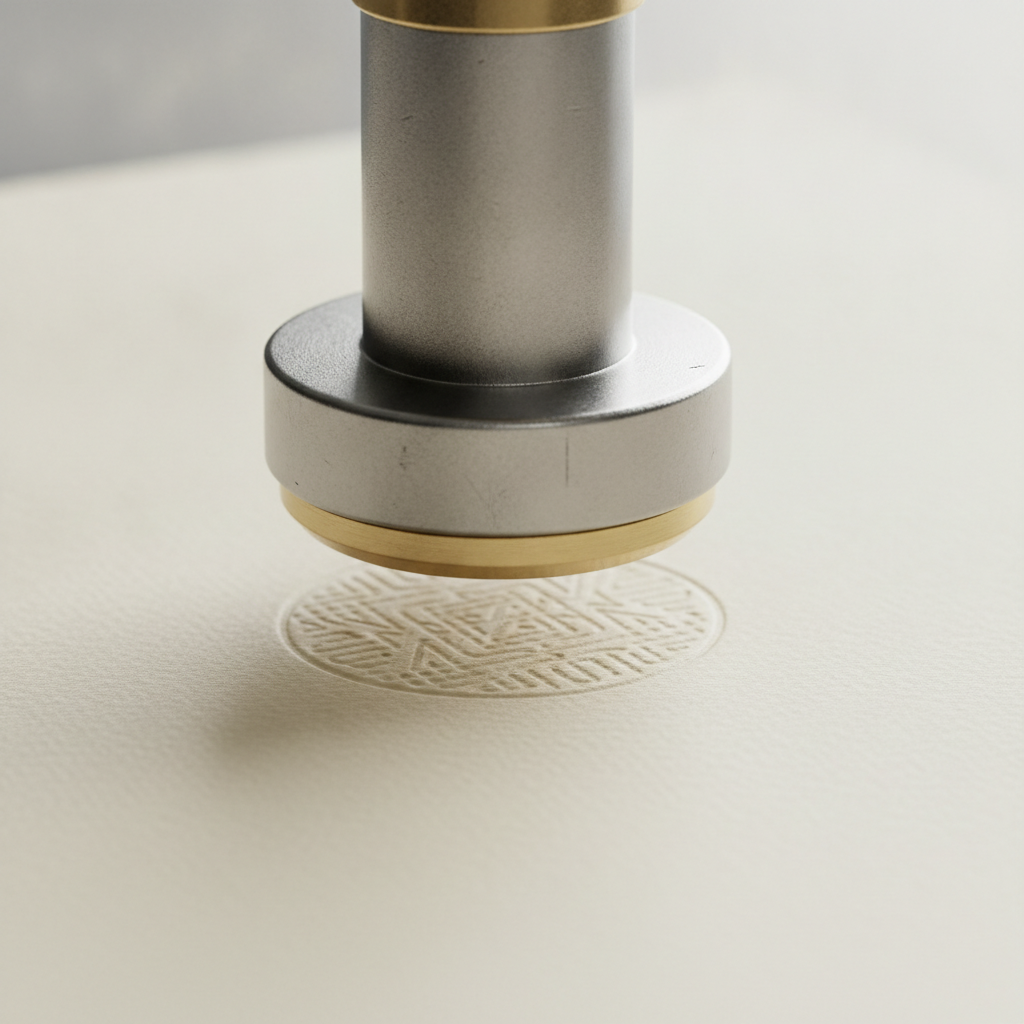
- Seal and record: We apply our seal/stamp and enter the act in our register.
- Next steps: You file, mail, upload, or present the notarized document to the requesting body.
If your document is for use outside Canada, you may also need an apostille from the federal authority. We’ll advise the correct path so you don’t repeat steps. For service scope and examples, browse our Notary Public Services page.
Local considerations for Etobicoke
- Plan visits around traffic near Martin Grove Mall; mid-mornings are usually quicker for walk-ins.
- Peak seasons include late spring and late summer when real estate and school documents surge.
- Transit riders can use nearby stops like 145 Carrier Dr for easier access to our office.
Working across the Toronto metro, we regularly coordinate with real estate agents and lenders so notarized affidavits and certified copies sync with closing packages. When timing is tight, having documents ready and unsigned is the fastest route to a valid seal.
Types of Notary Services We Provide
We provide signature witnessing, jurats and affidavits, statutory declarations, certified true copies, consent to travel letters, real estate notarization, and notarized powers of attorney. Walk-ins are welcome at our Etobicoke office for most routine documents.
Everyday personal documents
- Consent to travel letters: For minors traveling without one or both guardians.
- Name change/ID updates: Supporting affidavits and declarations.
- Wills & Estates: Witnessing certain estate-related affidavits and declarations.
Real estate and property
- Buyer/seller declarations: Identity and title-related affidavits.
- Mortgage and refinance packages: Signatures that require a notary’s seal.
- Title transfer paperwork: Notarial certifications associated with conveyancing.
Business and cross-border
- Corporate resolutions and minutes: Witnessed and sealed for banking or regulatory use.
- Certified copies of charters/incorporation docs: For licensing and tenders.
- International use: Guidance on when an apostille is needed in addition to notarization.
You can also request notarized Power of Attorney documents and specialized affidavits. If your form has a signature block labeled “Notary Public,” bring it in unsigned and we’ll take it from there. For affidavit-specific guidance, see our Affidavits service page.
Best Practices to Avoid Rejection
To avoid rejection, keep forms unsigned, bring valid photo ID, match names exactly to identification, and use the correct notarial act. Confirm destination requirements in advance, especially for documents used outside Canada.
Pre-appointment checklist
- Original documents and any required attachments or exhibits.
- Government-issued photo ID; a secondary ID helps in edge cases.
- Printed names and dates that match ID (spelling, middle names, initials).
- Unsigned forms; we’ll direct when and where to sign.
- Any witnesses required by the document itself (if not provided by our office).
Execution tips
- Sign consistently with your ID signature style.
- Use legible ink; avoid strike-throughs or blanks.
- Attach exhibits with labeled tabs if your form references them.
- If the document is for a foreign country, ask about apostille steps.
We’ll review the form with you and flag anything that could derail acceptance. Small details—like mismatched initials—cause outsized delays. For a deeper dive into common pitfalls, scan our guide on getting it done right in Toronto and our article on avoiding notary mistakes.
Tools, Checklists, and Resources
Use our printable checklist, ID guide, and document-prep template to speed notarization. For international use, consult official apostille guidance. When in doubt, bring the request letter so we can match the exact requirements.
Helpful tools we provide
- Notarization prep checklist (what to bring and what to leave blank).
- ID guide explaining acceptable government photo identification.
- Consent to travel letter template and witnessing tips.
- Certified true copy labeling example for multi-page records.
Resource highlights
- Ontario rules for notaries and commissioners (know what each can do).
- Federal apostille process for documents leaving Canada.
- Law Society resources on professional standards.
When your paperwork relates to property, our Real Estate Law experience helps. We coordinate notarized documents with purchase, sale, title transfer, and refinance timelines so nothing slips. For more context, our Toronto notary guide breaks down timelines and document readiness tips.
Mini Case Studies: Real Toronto Scenarios
Most Toronto notarizations are straightforward when ID and forms are ready. These brief scenarios show how we solve common issues fast—helping families travel, buyers close on time, and professionals submit accurate records the first time.
Etobicoke family: Same-day consent to travel
- Parent needed a notarized consent letter for a next-day flight.
- We verified ID, witnessed signatures, and sealed the letter in one visit.
- Outcome: Airline accepted without questions; family boarded on schedule.
Condo sale: Title affidavit and ID check
- Sellers required an affidavit and certified ID copies for their lawyer’s file.
- We notarized the jurat and produced sealed copies of passports and licenses.
- Outcome: Closing advanced without document conditions.
International degree copy for licensing
- Professional needed a certified true copy of a foreign degree for a U.S. board.
- We certified the copy and advised on apostille steps for cross-border use.
- Outcome: Application moved forward with complete, accepted paperwork.
We’ve seen that when clients bring the recipient’s instructions, 9 out of 10 issues can be resolved at the desk by aligning wording or adding an exhibit reference. That’s the fastest path to acceptance.
Schedule a Toronto Notary Visit
Walk in with your unsigned documents and valid photo ID, or book a time to skip peak periods. Our Etobicoke notary team handles affidavits, certified copies, consent to travel letters, real estate forms, and more—usually in one quick visit.
- Where to go: 23 Westmore Dr Unit# 218A, 2nd Floor, Etobicoke (Toronto metro).
- What to bring: your ID, the complete document set, and any exhibits or attachments.
- When to come: mid-mornings or mid-afternoons to avoid predictable rushes.
If your situation involves Real Estate Law, Business Law, or Immigration, we can connect your notarized paperwork to broader legal workstreams. Explore time-saving tips in our Etobicoke notary guide.
Notary vs. Commissioner vs. Apostille: What’s the Difference?
In Ontario, a notary public can witness signatures and certify copies; a commissioner can administer oaths but cannot notarize or certify copies. An apostille is a federal certificate used to validate a public document for use in other member countries.
| Function | Notary Public | Commissioner | Apostille |
|---|---|---|---|
| Witness signature | Yes | Yes | N/A (federal certificate) |
| Administer oath | Yes | Yes | N/A |
| Certify true copy | Yes | No | N/A |
| Used for foreign countries | Often, with apostille | Limited | Yes (validates notarial act) |
If your document is headed abroad, we’ll explain whether notarization alone is enough or whether you also need an apostille. That prevents back-and-forth with consulates and agencies. For a broader overview of service options, visit our Notary Basics article.
Frequently Asked Questions
Here are clear answers to the most common questions we hear about Toronto notarization—ID rules, whether to sign in advance, and what to do for documents headed outside Canada.
Do I sign my document before seeing the notary?
No. Keep the document unsigned. The notary must witness you sign or, for acknowledgments, confirm you signed voluntarily. Signing early can invalidate the notarization.
What ID do I need for notarization?
Bring a current government-issued photo ID such as a passport or driver’s license. A second ID can help in edge cases. Names on the document should match your identification.
Can you certify a true copy of my passport?
Yes. As notaries, we compare the original to the copy and certify that the copy matches. Many immigration, school, and licensing bodies require this form of certification.
When is an apostille required?
If the document will be used in a foreign country that’s part of the apostille convention, you typically need an apostille after notarization. We’ll outline the federal step and timing.
Do you accept walk-ins?
Yes. Walk-ins are welcome at our Etobicoke office. For multi-document packages or peak seasons, booking a time slot helps minimize waiting.
Key Takeaways and Next Steps
Bring valid photo ID, keep forms unsigned, and confirm destination rules—those three steps solve most notarization headaches. Our Etobicoke walk-in notary streamlines Toronto notarizations so you can submit documents with confidence.
- Key takeaways:
- Notarization verifies identity, witness, and authenticity.
- Most visits finish quickly when forms and ID are ready.
- International use may require a federal apostille step.
- We handle affidavits, certified copies, real estate, POA, and more.
Next steps: Bring your unsigned documents and government photo ID to our office at 23 Westmore Dr Unit# 218A, 2nd Floor, Etobicoke. Walk in or book a time. We’ll confirm the right notarial act and apply our seal on the spot. Explore more tips in our Etobicoke notary tips and our Toronto notary help article.