
 12 June 2026
“Toronto notary public” refers to a licensed professional who verifies identity, witnesses signatures, and certifies copies so your documents are accepted in Canada and abroad. At 23 Westmore Dr Unit #218A, Etobicoke, Vikram Sharma Law offers walk-in and scheduled notarization for real estate, immigration, corporate, and family-law paperwork—done correctly the first time.
By Vikram Sharma, Barrister, Solicitor & Notary Public • Last updated: 2026-06-12
Quick Overview and TOC
Use this guide to prepare, book, and complete a Toronto notary public appointment without delays. It explains what a notary does, how notarization works in Ontario, which documents we handle in Etobicoke and Toronto, and what to bring so your forms are accepted on the first submission.
Here’s how to use this complete guide quickly.
- Understand what a notary public is and when you need one.
- Follow a simple step-by-step checklist for your appointment.
- See document types we notarize: real estate, immigration, corporate, family.
- Learn best practices to avoid rejection or repeat visits.
- Find local tips for Etobicoke and the Toronto metro area.
- Review a comparison table: notarization vs. commissioning vs. certified copies.
Toronto Notary Public: What It Means and When You Need One
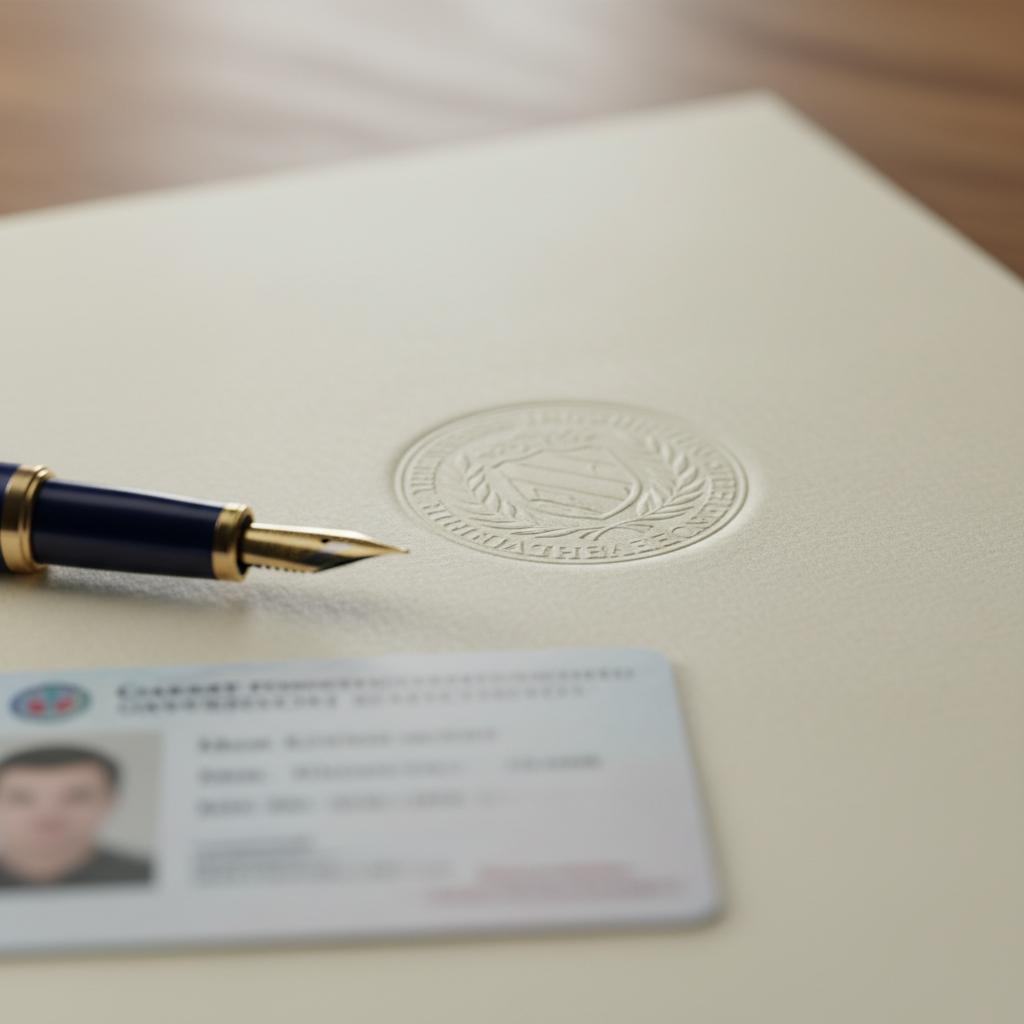
A Toronto notary public is authorized to verify identity, witness signatures, and certify true copies. You need one when an organization requires proof that a signer is who they claim or that a copy matches the original—common in real estate, immigration, education, and corporate filings.
Think of a notary public as a trusted gatekeeper for identity and document integrity. Our seal signals to banks, schools, courts, and government agencies that you followed due process. It’s especially important when timelines are tight or the receiving party is strict about formality.
- Identity verification: We check valid government photo ID and record details.
- Signature witnessing: You sign in front of us; we apply stamp/seal and a standard notation.
- Certified true copies: We compare an original to a copy and certify it matches.
- Affidavits/declarations: We administer oaths/affirmations and witness your signature.
At our Etobicoke office, most requests tie to real estate closings, study or work permits, corporate banking forms, travel consent letters, Powers of Attorney, and wills-related affidavits. When needed, we loop in our Real Estate Law and Wills & Estates support so your file moves end-to-end without repeat trips.
Why Notary Services Matter in Toronto Real Estate and Beyond
Notary services reduce risk, prevent fraud, and speed up approvals. For Toronto buyers, newcomers, and businesses, proper notarization helps lenders, schools, and government agencies trust your paperwork so transactions close on time and applications aren’t delayed or rejected.
Here’s the thing—Toronto deadlines are unforgiving. A missing initial on a mortgage form can push a condo closing. A pre-signed affidavit can trigger a school registrar to request a redo. In our experience across the GTA, most slowdowns come from small gaps that are easy to prevent with a five-minute pre-check.
- Real estate closings: Lenders and title insurers often require witnessed signatures and certified IDs.
- Immigration/education: Certified copies of passports, PR cards, diplomas, and transcripts are common asks.
- Corporate filings/banking: Banks rely on notarized IDs and witnessed resolutions to open or update accounts.
- Family matters: Travel consent letters and separation agreement affidavits benefit from precise commissioning.
Documents going abroad may also need post-notary steps like apostille or authentication. Planning for that now saves time later and avoids courier back-and-forth.
How Notarization Works in Ontario (Step-by-Step)
Notarization in Ontario follows four steps: book, verify identity, sign in front of the notary, and receive the notary seal with a record. For certified copies, the notary compares the original with a copy and certifies the match. Bring valid photo ID and originals.
Here’s the simple flow our Toronto notary public team follows in Etobicoke.
- Book or walk in: Appointments minimize wait times, but walk-ins are welcome at 23 Westmore Dr Unit #218A.
- Confirm requirements: We read your lender/embassy/school instructions and ensure notarization vs. commissioning vs. certified copies is clear.
- Verify identity: Present valid government-issued photo ID. We record the essentials.
- Witness and seal: You sign in our presence. We apply a stamp/embossed seal and note details.
- Certified copies: For true copies, we compare your original to the copy and certify the match.
- Next steps: If international, we explain apostille/authentication options so your document is accepted abroad.
For complex property signings, we coordinate with our Notary Public Services team and Real Estate files so identification affidavits, title-transfer forms, and mortgage documents are handled in one visit.
Document Types and Services We Handle Daily
We notarize and commission affidavits, certify true copies, and witness signatures for real estate, immigration, corporate, and family documents. Common items include IDs, diplomas, property deeds, lender forms, travel consent letters, powers of attorney, and corporate resolutions.
Our day-to-day in Etobicoke spans personal and business needs across the Toronto metro.
- Real estate: Mortgage packages, title transfer forms, identity affidavits, declarations for closings.
- Immigration/education: Certified copies of passports, PR cards, diplomas, transcripts, sponsorship forms.
- Family documents: Travel consent letters, separation agreement affidavits, common-law declarations.
- Corporate: Director resolutions, banking forms, minute book updates, beneficial ownership attestations.
- Wills & Estates: Affidavits of execution, certified IDs for probate filings, witnessing.
- Power of Attorney: Witnessing and notarizing POA forms for property or personal care.
If your destination country requires extra steps, we’ll guide you on authentication or apostille after notarization. That way, you avoid mailing documents back and forth, which can add weeks to a timeline.
Notarization vs. Commissioning vs. Certified Copies
Notarization confirms identity, witnessing, or a true copy; commissioning is for sworn statements; certified copies verify that a copy matches the original. Choose notarization for signatures and copies, commissioning for affidavits and declarations, and certified copies for agencies that accept copies.
| Service | Core Purpose | When to Use | Key Requirement |
|---|---|---|---|
| Notarization | Verify identity; witness signatures; seal | Real estate forms, corporate banking, international docs | Signer appears in person with valid photo ID |
| Commissioning | Administer oath/affirmation on statements | Affidavits, statutory declarations, travel letters | Declarant swears/affirms contents are true |
| Certified True Copy | Certify copy matches an original | Passports, diplomas, PR cards, utility bills | Original must be physically presented |
Unsure which you need? Bring the instruction page from your lender, school, or embassy and we’ll confirm whether notarization, commissioning, certified copies—or a combination—fits your situation.
Best Practices for a Smooth Visit
Bring valid photo ID, originals for any certified copies, and unsigned forms. Sign only in front of the notary. Confirm whether your receiving party requires notarization, commissioning, or certified copies, and allow a few extra minutes to review details before sealing.
- Two pieces of ID: At least one government-issued photo ID. For immigration or banking, bring the specific IDs the requester lists.
- Originals + copies: If you need certified copies, bring the originals. We can make copies on-site.
- Do not pre-sign: Organizations reject pre-signed forms. Sign in front of the notary.
- Names must match: Ensure ID spelling matches your documents. Even one letter off can cause rework.
- International checks: For foreign use, learn if apostille/authentication is needed after notarization.
In our experience, preparing these items reduces repeat visits because most rejections come from ID mismatches or pre-signed forms. A five-minute pre-check saves days.
Local considerations for Etobicoke
- Plan travel time around Humber College area traffic; the Humber Centre for Trades & Technology can create brief rushes between classes.
- Winter weather adds minutes for parking and check-in. Build in buffer time during snow or freeze-thaw periods.
- If you’re combining errands, we’re a short drive from Martin Grove Mall, helpful for printing or photocopying before your appointment.
Tools and Resources for Toronto Notary Clients
Use official guidance, professional directories, and authentication resources to confirm requirements before you visit. Check notary rules, verify your lawyer or notary in a public directory, and review apostille or authentication steps for documents going abroad.
Real Examples and Practical Checklists
Most delays come from small gaps: wrong ID, pre-signed forms, or missing originals. These quick scenarios and checklists show how we prepare real estate, immigration, corporate, and family documents so they’re accepted on the first submission.
Example: Real estate closing package
A Toronto couple purchasing a condo brings lender forms, two IDs each, and unsigned pages. We confirm initials, witness signatures, and add the notary seal. Because everything matched, the lender cleared the file the same day, keeping their closing date intact.
- Bring lender instructions, two IDs, and unsigned forms.
- Ask your lender if they need certified copies of IDs.
- Double-check every initial box; missing initials are a top rejection cause.
Example: Immigration certified copies
A student needs certified copies of a passport and diploma for a study permit. We compare originals to copies and certify both. The school accepted the package on first review.
- Bring originals of passport and diplomas; we’ll create true copies.
- Check if color copies are preferred by the requester.
- Include your application number on a sticky note for tracking.
Example: Corporate banking resolution
A new director needs notarized ID and a witnessed resolution for banking. We verify identity, witness the resolution, and seal the package. The bank activated corporate accounts that afternoon.
- Bring government photo ID and company details (full legal name, number).
- Have all signers present if the bank requires it.
Example: Family travel consent letter
One parent traveling with a child carries a notarized consent letter from the other parent and a certified copy of the child’s birth certificate. Border agents cleared the family without extra questions.
- Bring the unsigned consent letter; both parents’ IDs may be required.
- Check airline and destination requirements before your visit.
Pricing and Timeline Factors (No Surprises)
Total turnaround depends on document count, number of signers, and whether certified copies or multiple seals are needed. International use may add time for apostille or authentication. Booking ahead with all originals and valid ID keeps your visit efficient.
We don’t list pricing here, but these variables influence overall effort and time:
- Complexity: More signers, multiple forms, or special witnessing increases time.
- Document type: Real estate packages and corporate resolutions take longer than a single certified copy.
- International steps: Apostille/authentication timelines depend on the destination country.
- Corrections: Pre-signed or mismatched IDs often require rework—avoid this to save time.
Ask us about sequencing. For instance, certified true copies can be done first, then signatures, then any witnessing that relies on those copies. Sequencing reduces errors.
How to Book and What to Bring
Bring valid government photo ID, your unsigned forms, and any originals for certified copies. Book ahead or walk in at 23 Westmore Dr Unit #218A. If another agency provided instructions, bring that page so we can match their exact requirements.
- Choose your path: walk in or book a time slot.
- Gather IDs and originals for any certified copies.
- Print requester instructions (lender, school, embassy) to avoid guesswork.
- Do not sign until you’re in front of the notary.
- Plan a brief buffer for review and sealing.
If your matter touches real property or estates, we coordinate with our teams so your file moves faster end-to-end. To get oriented, skim our Notary Basics in Etobicoke guide.
Integrated Support: Notary + Real Estate, POA, and Estates
One visit can cover notary work plus legal steps tied to real estate, powers of attorney, and estates. Our Etobicoke office routinely combines notarization with legal advice so property transfers, POA witnessing, and probate affidavits move without repeat trips.
Many notary matters overlap with other legal areas we handle in Toronto:
- What a Notary Does for everyday paperwork.
- Power of Attorney for property or personal care planning.
- Statutory Declaration Steps to avoid rejections.
- Commissioner of Oaths for affidavits and affirmations.
- Find a Notary in Etobicoke when you’re nearby.
If you’re completing a mortgage closing, ask about bundling identification affidavits with title-transfer witnessing. For POA and estate steps, we coordinate witnesses and notarizations to fit the specific form used.

Need it notarized today?
Walk in or book a short appointment in Etobicoke for same-day notarization. Bring valid photo ID and unsigned forms. We’ll confirm requirements on arrival and prepare any certified copies needed for your submission package.
Soft CTA: If you’re close to a deadline, call ahead and tell us your document type and number of signers. We’ll help you plan a quick, correct visit.
Frequently Asked Questions
These short answers address the most common Toronto notary public questions—ID rules, remote options, witnesses, and international use—so you can prepare confidently and avoid repeat visits.
What ID do I need for notarization?
Bring a valid government-issued photo ID such as a passport or driver’s license. Some requesters require two IDs; bring a second if possible. Names on the ID must match your documents exactly.
Can I sign before my appointment?
No. Sign only in front of the notary. Pre-signed forms are often rejected by lenders, schools, and agencies. We’ll guide you through where to initial and sign during the appointment.
Do you offer certified true copies?
Yes. Bring the original document and we’ll certify that the copy matches. Common items include passports, PR cards, diplomas, and utility bills for address verification.
What if my document is for use outside Canada?
Some countries require an apostille or authentication after notarization. We’ll notarize properly and direct you to the correct authentication process so the destination authority accepts your document.
Can you witness a Power of Attorney?
Yes. We routinely witness and notarize POA forms for property and personal care. Bring valid ID, the unsigned POA, and any specific instructions from the institution requesting it.
Key Takeaways
Prepare two IDs, bring originals for certified copies, and don’t pre-sign. If your document will be used internationally, check apostille or authentication steps. When in doubt, bring the requester’s instructions—we’ll match them exactly.
- Toronto notary public services help institutions trust your documents.
- The fastest visits start with valid photo ID and unsigned forms.
- Certified copies require the original document on-site.
- International use may require an apostille or authentication step.
- We combine notary work with real estate, POA, and estates support.
Conclusion
Getting documents notarized in Toronto is straightforward when you know the steps: book, verify, sign, and seal. Bring valid ID, originals for certified copies, and any requester instructions. Our Etobicoke office helps you finish everything in one visit—accurately and on time.
When you’re ready, visit us at 23 Westmore Dr Unit #218A for walk-in notarization or a scheduled time. If your matter overlaps with real estate, POA, or estates, we’ll coordinate so you leave with a complete, submission-ready package.